Cats that live indoors don't get to patrol territory, chase off intruders, or hunt for their meal. All of that exercise just isn't available to them anymore. The tradeoff is a safer life, but it also means a lot of indoor cats are seriously under-exercised. It shows up as extra weight, restless nights, and sometimes destructive behavior born out of boredom. Cat exercise wheels for indoor cats are the perfect solution!
Yes, like a hamster wheel, just built cat-sized! This is one of the few products that actually gives an indoor cat a real outlet to run. Not every cat takes to one right away.
And there's a genuine range of wheels out there depending on your cat's size, your budget, and how much space you've got. Below, we'll walk through why a wheel helps, how to get a skeptical cat on one, and then our 9 favorite wheels.
Obesity is the most common weight-related health issue vets see in cats, and indoor cats are especially prone to it. Without territory to patrol or prey to chase, a lot of the movement a cat would naturally get in a day simply disappears. A wheel gives that missing movement somewhere to go.
Regular wheel use is commonly linked to a handful of real benefits beyond just weight management:
Better muscle tone and joint flexibility, which matters even more for older cats managing arthritis.
General cardiovascular health, the same way regular movement helps in any species.
Fewer destructive scratching sessions, since a lot of that behavior is really just excess energy looking for somewhere to go.
Calmer nights, with fewer of those 2 a.m. "zoomies" that come from a cat who didn't get to burn energy during the day.
Lower general anxiety, since a wheel gives your cat's stalk-chase-capture instincts a legitimate outlet they don't otherwise have indoors.
Two things worth knowing before you buy one. If your cat is a senior or has an existing health condition, check with your vet before starting wheel use — vigorous exercise can aggravate certain conditions. And if you have a flat-faced (brachycephalic) breed like a Persian or some Himalayans, a wheel may not be a good fit at all. Their airway structure often makes sustained running genuinely difficult, no matter which wheel you choose.
How to Train Your Cat to Use a Wheel
Almost no cat walks up to a brand-new wheel and hops right on. That's normal, not a sign you bought the wrong product. Most cats need a little time and the right approach to get comfortable. Here's a training process that shows up, in some form, across nearly every wheel on this list's own instructions:
Introduce it unpowered first. Let your cat sniff around and investigate the wheel with zero pressure to actually get on it. A few of our picks below build this exact step into their own instructions — for example, some wheels ship with a locked, stationary setting specifically for this first stage.
Build a positive association before asking for movement. Feed a meal near the wheel, or let your cat sit or lie on it while it's locked in place. The goal is just making the wheel feel like a normal part of the room, not a big scary new object.
Lure, don't force. A wand toy, a laser pointer, or a trail of treats just inside the running track is the most consistently effective way to get your cat's first few steps onto the surface.
Keep early sessions short, and end on a win. Several short sessions beat one long one, especially in the first week or two. Reward any voluntary interaction with the wheel, not just full-on running.
Expect a real range of timelines. Some cats are running within days. Others take weeks of calm, low-pressure exposure before they'll commit. Both outcomes are completely normal.
Never force your cat onto a moving wheel, and supervise the first several sessions, especially with kittens or with a wheel that doesn't have a locking or brake mechanism.
Try catnip or silvervine on the running surface as an extra nudge. A lot of owners sprinkle it directly onto the carpet runway before a cat's very first exposure to speed things along.
If your cat genuinely never takes to a wheel, that's fine too — not every cat wants to run in circles, and that's worth knowing before you commit. Our guides to the best cat activity centers and best cat laser toys both cover other ways to get an indoor cat moving that might click better for a cat who never warms up to a wheel.
Our Picks: 9 Cat Exercise Wheels Worth Buying in 2026
We looked at wheels across the full range of the market — from budget-friendly metal frames to premium birch-wood builds — in sizes running from compact (best for kittens and smaller cats) up to extra-large wheels built for bigger breeds.
Every product below is grouped by budget tier, so start with whichever section fits what you're looking to spend, then narrow down by size and features from there.
Best Overall Cat Exercise Wheel
Star Cat Wheel, 41.7" L
If you want the wheel with the fewest tradeoffs, this is it. It carries the strongest cross-review sentiment of anything in this roundup, and its 176 lb weight capacity is by far the highest of any wheel we looked at, so it's built to handle even a large cat with plenty of capacity to spare.
This is our top premium pick for cat exercise wheels. The quality and standout chase mechanism described below make a real case for choosing it.
Rated up to 176 lbs — by far the highest weight capacity of any wheel in this roundup, with room to spare for a large cat or a household running more than one cat through it.
Built from E0-certified, low-formaldehyde birch wood using framing-fit (not glued) construction, which the brand markets as more resistant to warping over the long haul.
A built-in water-tube-and-floating-fish mechanism baits cats into chasing while they run, and it's specifically credited with getting reluctant cats to start using the wheel on their own.
A ventilated base and dual silent heels are built in for extra noise reduction, on top of a 15.7" wide running track that gives your cat real room to move.
Several reviewers who'd previously owned other cat wheels say this one holds up sturdier and runs quieter by comparison — the strongest quality sentiment of any pick in this lineup.
Assembly is the one consistent friction point. Plan on several hours solo, and multiple reviewers recommend watching the brand's own YouTube assembly video rather than relying on the printed manual, which several described as confusing.
If assembly dread is what's kept you from buying a wheel until now, this is the one to look at first. It's built from lightweight, snap-together ABS parts specifically designed to go together fast, and it's made in-house in Camarillo, California.
It's a genuinely solid pick for anyone who wants a large-diameter wheel without committing an entire weekend to putting it together.
Gives high-energy cats a dedicated outlet, right in your living room, that helps curb boredom and destructive behavior driven by pent-up energy.
The 48" diameter gives cats up to 25 lbs plenty of room to fully extend while running, not a cramped stride.
Snap-together ABS parts mean assembly typically takes under 20 minutes — one of the fastest builds in this entire roundup.
Choose between a foam or felt traction liner: felt holds up better against claws, foam is easier to wipe clean.
Backed by a 30-day risk-free return window, and the company recycles any returned units instead of just tossing them.
Reviewers are split on noise and stability. Most call it quiet and sturdy, but a real minority report squeaking or the wheel drifting to one side during use.
At 15.7" wide, this has the widest running track of any wheel on this list — wide enough for two cats to share at once.
It's a favorite specifically among owners of larger breeds, and several Maine Coon and Savannah owners in particular call it well worth the money for a bigger cat that needed more room than a standard wheel offers.
At 15.7" wide, the running track is wide enough for two cats to share at once, a real plus if more than one cat in your house wants a turn.
Rated up to 45 lbs, and several large-breed owners specifically call it worth the money for a bigger cat.
Built from 9-layer solid plywood with a waterproof melamine coating, meant to hold up over years of daily use, not just months.
A velcro-attached carpet runway is gentle on claws, and a no-gap safety design helps keep paws clear of pinch points.
Comes with everything you need to build it: a screwdriver, instructions, an assembly video, and a feather-wand training guide, plus a 1-year warranty.
Assembly takes about an hour and the brand recommends using a power drill. Reviewers are split on how straightforward the instructions actually are, and a minority report chipped or cracked pieces on arrival.
This is the highest weight capacity of any pure wheel-only pick on this list, at 110 lbs, which makes it a smart choice if you've got multiple cats who'll be taking turns on it. It's also one of the best-reviewed options in this whole roundup, with a large base of owners backing it up.
Solid-wood construction rated to 110 lbs — the highest weight capacity of any pure wheel in this lineup, giving multiple cats real headroom to share it over time.
Eight TPE rollers are built in specifically for a quieter spin, and the base is widened to wrap around the wheel for extra stability.
A narrowed gap between the base and the wheel, plus rounded corners, both reduce the risk of a pinched paw.
The built-in locking device lets you control play time, or shut the wheel down entirely when you're not around to supervise.
Ships with a detailed manual, pre-drilled holes, and a removable, washable carpet surface for easy cleanup.
Assembly runs long for some owners, with several reviewers reporting multiple hours (one cites roughly 115 screws). It also runs noticeably louder on hardwood floors than on carpet.
Assembly complaints are a running theme across this whole category, which is exactly what makes this pick stand out. Several reviewers specifically praise how clear the instructions and included assembly videos are, a genuine rarity in this space.
Rated up to 45 lbs with a 13.2" wide running track, and a narrow gap between the wheel and base is built in specifically to reduce the risk of a pinched paw.
Several reviewers specifically call out the clear instructions and helpful assembly videos, a real standout in a category where confusing manuals are a common complaint.
The detachable, washable running-mat carpet makes cleanup simple without disassembling the whole wheel.
Pre-drilled holes and included hardware are meant to make the build more approachable, on top of the clear instructions above.
Rounded edges throughout are designed to reduce the risk of scrapes during active use.
Several reviews measured the "XL" size smaller than its name suggests, closer to 43" outer / 39" inner rather than the roughly 46" implied by the listing. Confirm the actual dimensions fit your cat before buying, not just the model name.
This is the most compact wheel on our list, built specifically with kittens and small-to-medium cats in mind. If you've been holding off on a wheel because everything else on the market looked oversized for your cat, this is the one to start with.
A compact 33.9" inner running diameter and 13" track make this the best fit in this lineup for kittens and small-to-medium adult cats.
TPE rollers paired with a carpeted runway are built in to keep noise down during use.
A sub-6mm paw gap is designed to keep paws safely clear of pinch points while the wheel is spinning.
The built-in, fish-shaped lock does triple duty: locking the wheel for introductory training, for cleaning, or for storage when it's not in use.
The brand includes its own step-by-step training method right in the listing, and structurally it's rated to 50 lbs, though the brand itself is upfront that comfortable fit depends more on your cat's body length and running posture than on load capacity alone.
Plan on roughly two hours for assembly with a second set of hands, and wheel responsiveness draws mixed feedback — some owners say it spins effortlessly, others say it doesn't turn as easily as they'd hoped.
If you want one piece of furniture to cover exercise, rest, play, and feeding instead of buying separate items, this is the pick.
It's less a pure exercise wheel and more a small cat tree with a wheel built into it, which makes it a genuinely space-efficient option for a smaller home.
Combines a running wheel with 3 jumping platforms, a sheltered "cat apartment" nook, and a built-in feeding-bowl area, all in a single footprint.
A genuinely useful pick if you want one piece of furniture to cover exercise, rest, play, and feeding instead of separate items, especially in a multi-cat household.
Eight TPE silent pulleys on the bottom shaft keep the wheel portion quiet, and sisal carpet lines both sides of the running surface.
Smooth, edge-banded, rounded-corner wood construction is rated to 44 lbs and backed by a 3-year warranty.
Multiple reviewers say it suits both kittens and adult cats, useful if your household spans different ages.
This is the one pick where value-for-money sentiment runs genuinely mixed rather than mostly positive.
A minority of reviewers report thin pressed-board panels cracking or hardware loosening within months, and some cats are initially frightened by the noise.
This is our budget-friendly pick, and it's also the only metal-frame build in the whole roundup — a real alternative if you're wary of wood warping or plastic cracking over time.
It's a smart starting point if you're not sure your cat will take to a wheel and want to test the waters first.
A heavy-duty, rust-resistant metal frame is the only non-wood, non-plastic build in this lineup, marketed specifically as an alternative to wheels that warp or crack over time.
The wide-stance trapezoid base sits on four full-contact feet for real stability. One reviewer even reported it held their own roughly 160 lb body weight without issue.
Several owners specifically like how the black-and-grey finish blends into their home's decor, rather than looking like obvious cat gear.
Comes with a starter kit — teaser wand, grooming gloves, and cat-themed stickers — to help get your cat interested from day one.
Backed by a 30-day money-back guarantee and a 2-year free repair policy.
Several reviewers mention their cat was initially scared of the wheel and needed real patience and coaxing before using it. That's not a defect, but a training-time expectation worth setting going in.
If you want the look and feel of a premium wood wheel in a budget-friendly pick, this is a strong match. It's the largest wheel in the budget tier at 48" outer diameter, and it comes with a complete accessory kit to get you started right out of the box.
A 48" outer / 43" inner diameter with a 14" wide track gives most cats real room to run, and a 0.2" security gap is built in to guard against pinched paws.
TPE silent wheels plus noise-reducing holes in the base are both aimed at keeping the ride quiet.
Lock the wheel in place and it doubles as a stationary cat bed, useful if your cat likes to nap on it between runs.
Comes with a complete accessory kit: gloves, a screwdriver, pre-installed hardware, and a teaser stick for training.
Built from 0.5" high-density engineered wood panels on a wide base designed for stability.
Assembly feedback is genuinely split. Some owners find it very easy, while others, including one detailed review, report confusing or reversed instructions for certain parts.
Frequently Asked Questions About Cat Exercise Wheels
Is it actually safe for my cat to use an exercise wheel?
For most healthy adult cats, yes. The main safety considerations are ones you should check before you buy: talk to your vet first if your cat is a senior or has an existing health condition, since vigorous exercise can aggravate some conditions.
Flat-faced breeds like Persians and some Himalayans often aren't good wheel candidates either, since their airway structure can make sustained running genuinely difficult.
Beyond that, supervise the first several sessions (especially with kittens), never force a cat onto a moving wheel, and consider a model with a locking or brake mechanism if you want an easy way to keep the wheel stationary when you're not around to watch.
How loud are these? Will one work in an apartment or disturb the house at night?
It varies quite a bit by product, and it's one of the most inconsistent things reviewers report across this entire category — the same wheel can get reviews calling it nearly silent from one owner, and reviews calling it too loud from another, depending on the individual unit, the floor surface, and how the cat runs.
As a general pattern, metal-frame wheels and models with TPE (rubberized) rollers tend to run quieter, and nearly every wheel runs louder on hardwood or tile than on carpet. If nighttime noise is a dealbreaker, look for a pick above that specifically calls out quiet-running feedback, and consider placing a rug or mat underneath the wheel regardless of which one you choose.
Can more than one cat share a wheel?
Yes, with the right wheel. Look for a wider running track and a higher weight rating if more than one cat in your house is likely to use it.
The Nordic Beast and Homegroove picks above both stand out here — Nordic Beast has the widest track in this roundup at 15.7", wide enough for two cats side by side, and Homegroove carries the highest weight capacity of any pure wheel we looked at, at 110 lbs.
How do I know what size wheel to get for my cat?
Match the wheel's inner diameter and weight rating to your cat's actual size, not just the marketed size name — a few "XL" wheels in this category measure noticeably smaller in practice than their name suggests, which we've flagged above where it came up.
As a general guide, compact wheels (under 40") suit kittens and small-to-medium cats best, while wheels in the 46"-48" range give larger or wider-bodied cats, like Maine Coons, enough room to fully extend while running.
My cat won't go anywhere near the wheel. What do I do?
That's genuinely normal, not a sign you bought the wrong product. Some cats take to a wheel within days; others take several weeks of calm, low-pressure exposure before they'll even step on it.
Go back through the training steps above: let your cat investigate the wheel unpowered first, build a positive association with treats or meals nearby, and lure with a wand toy rather than pushing or forcing. Catnip or silvervine sprinkled on the running surface can help too.
If your cat still isn't interested after consistent, patient effort, that's a real possibility worth accepting — not every cat wants to run in circles, and our guides to best cat activity centers and best cat laser toys are great alternatives for you to consider!
Do cat exercise wheels need to be plugged in or charged?
No. Every wheel on this list, and cat exercise wheels in general, run entirely on your cat's own motion — there's no motor, battery, or power cord involved. Your cat provides all the movement; the wheel just spins freely (or locks in place, on models with that feature) in response.
Is there a minimum age or size for a kitten to start using a wheel?
Most kittens can start once they're fully weaned, steady on their feet, and cleared by your vet for normal activity, though a very young or small kitten may do better starting on a compact wheel sized for smaller cats rather than a full-size 46"-48" model.
The JubiNatural pick above, at a 33.9" inner diameter, is specifically built with kittens and small cats in mind, and the same training process outlined earlier in this guide applies at any age — just keep first sessions extra short and closely supervised with a young kitten.
A wheel isn't a guaranteed fix for every under-exercised indoor cat, but for a lot of cats it's the single best outlet you can give them for real, sustained running.
Start with the training steps above, pick a wheel sized right for your cat, and give it time — a cautious cat coming around slowly is normal, not a sign the wheel was the wrong choice.
Which cat exercise wheel do you use? Do you have a favorite or a recommendation that I didn’t include in my list ? If you have any other ideas for please leave a comment below or send me an email at Craig@StuffCatsWant.com so I can update this article.
I travel often for work, almost every week. Given this I use cat sitting services frequently. Even if it is only for a day, it can be very tough leaving your animal. This is true for you, your cats and for the sitter too. They are a part of the family after all.
So what ensures a positive experience while you’re away? I asked professional cat sitting companies to share their #1 tips to ensure everyone has a positive experience the next time you leave town.
Share they did! Below you’ll find tips from cat sitting businesses large and small. Their tips will ensure that you and your feline friends have a wonderful experience the next time you go out of town for a day or for two weeks.
The Top Four Tips From 17 Professional Cat Sitters
Below you’ll find these tips fleshed out in far more detail than in the infographic. I’ve taken the detailed tips and summarized them for ease! If you’d like to read the detailed tips right from the pros then scroll on down!
Tip #1: Conduct an In Person Meet & Greet
Have the sitter that will be watching your cat come in advance and meet your cat
It enables you to put a face to a name and you can hand the keys to the person that’ll be using them
The meet and greet also gives your cat a chance to learn their scent and get familiar with it
It enables you to show them around the house and call out areas of interest and quirks your cat has
Tip #2: Establish a Clear Communication Plan
Be sure to tell your cat sitter the best way to get in touch with you (text, calls, emails, etc.)
Between you establish a clear communication plan including frequency and a backup plan in case one method doesn’t work
If you’d like pictures of your cats daily be clear about that, most sitters will accommodate (and are good photographers to boot!)
Tip #3: Leave Very Detailed Instructions
Leave printed instructions that describe in detail what needs to be done for your cats each day
This should include feeding schedule, water refills, litter scooping, hiding spots, brush locations, etc.
If your cat has any medication or medical needs be sure to leave extra detailed instructions on this topic
If there are other activities (mail, flowers, etc.) be sure to ask your sitter in advance, but include them on the list too
Be sure to review your instructions between vacations as we all know our cats can change
Tip #4: Plan In Case of An Emergency
Always plan for the worst just in case, even for a very short trip
You could easily encounter flight cancellations or a need to extend your trip
Buy and leave extra food, litter, medicine for your sitter to use in case your trip gets extended
Provide an envelope of cash so if you get delayed your sitter can buy necessaries to take care of your cat(s)
Be sure your cat carrier is visible or easily accessible and the location is noted in case it is needed
Leave your veterinarian’s info (Name, Phone, Location) just in case your cat gets sick
The Incredibly Detailed Tips Are Below
Below you’ll find far more detailed tips and extensive expertise from the cat sitters that took their time to contribute. Some of the sitters decided to contribute expansive lists & details and others focused on the one key tip that has made or broken experiences in the past. They are all incredibly insightful.
There are an extensive number of tips below that did not make it to the infographic, but they are well worth reading to ensure you have a wonderful experience with your cat sitter.
You’ll find tips related to ensuring your cat has interactive toys, a comfy bed to sleep in and several on preparing your litter box and your kitchen before you leave. And if you’re an experienced cat owner you won’t be surprised to find Feliway in the mix as well.
You’ll also find that these tips range from one man/woman shops focused in a single neighborhood all the way up to huge teams of cat sitters covering whole cities. Be sure to check out their websites for more detail!
*An 18th cat sitter has now weighed in. If you’re interested in adding your tip please contact me at StuffCatsWant@gmail.com.
MeowSit says their #1 tip for cat owners to ensure the cats and the cat sitter have the best experience possible would be to establish clear and seamless communication.
It’s important to discuss all the pet care details (e.g. pet behaviors, feeding schedules, location of food items/toys, etc.), so that both parties have a clear understanding of the expectations of each visit. We love providing pictures and memos to our clients after each visit.
“Leave out a cat care kit on your counter or table so the sitter can find all the food and supplies…”
The Lakeview Petcare team indicates you should leave out a cat care kit on your counter or table so the sitter can find all food and supplies. This means bowls, toys, brushes and anything else important.
Also leave a note of printed instructions. This ensures that every little detail is as close to as if you were home as possible. We all know cats love nothing more than a routine!
“Wear a t-shirt for a few days/nights and leave that shirt in an area your cat enjoys…”
Chicago Pet Sitters had three key recommendations for cat owners to ensure a smooth trip:
Before leaving wear a t-shirt for a few days/nights and leave that shirt in an area your cat enjoys. The scent will bring comfort while you are away.
Put a calming pheromone to use. It comes in a diffuser, spray and collar. Some people swear it works, some don’t think it does. I know several vets who use these in their offices, so it’s worth a shot.
Finally, leave a radio or TV on for your cat so they can hear voices. It may be nice to know there are people or the sounds of people nearby. We suggest NPR or a classical music station.
“Keep the cat’s routine as similar to their normal routine as possible…”
Smart Paws Chicago says that it always helps when the owner makes arrangements to keep the cat’s routine as similar to their normal routine as possible. Keeping feeding times the same and putting out toys they usually love helps keep the cats happy!
Cats are not a fan of change so new treats or toys are not a good idea when they’re already dealing with a change in routine.
“The number one element in a successful client/provider relationship is trust.”
Cat Care By Karen provided several tips and indicated that each of these is equally important to a successful interaction:
The number one element in a successful client/provider relationship is trust. You are handing over your house keys to someone you’ve probably just met for the first time. You are asking that person to come into your home while you’re away, to care for your precious living creature. So of course you’re going to have some apprehension. How do you overcome that challenge?
Research and Ask for Referrals: Read Yelp reviews and ask your veterinarian or favorite pet store clerk for their best referrals. If you have friends with cats, ask them if they would refer their cat-sitter? I’m insured and bonded, which is another layer of assurance. When I was a Realtor in another state, I was also finger-printed and successfully passed a criminal background check.
Ask How the Service is Run: Will the person who meets with you be the same person who comes to your home each time and performs all of the tasks? What policies or restrictions does the service have? For example, is service available every day of the year? Are there additional charges for holiday or weekend visits?
Arrange an In-Home, Pre-trip Meeting:This gives you a chance to make sure you’re comfortable with him/her. You can also go over your care routine, hand off a set of working keys, and determine how — and how frequently — you would like to be updated while you are away.
“Written or printed instructions and details about your cat(s)…”
The West Village Cat Sitter recommends pet parents turn on something like the National Geographic TV Channel for the cat to ensure they are not feeling totally lonely. Not only will it show a little bit of Light in the house but sound as well.
If you’re gone for an extended period of time they recommend using a timer from 7 a.m. to 7 p.m. so your cat can sleep peacefully and also to ensure you don’t bother the neighbors (depending on how loud the volume is).
“Get as much information as possible – either at a meet and greet or through extensive notes”
The #1 most important thing is to get as much information from the cat owner as possible- either at a meet and greet prior to the first visit or extensive notes about their fur family including feeding, favorite treats and toys, hiding spots etc. With that information, we can ensure the cats, their humans and our cat sitters have the best experience possible.
If a cat isn’t eating or needs a pill and won’t take the pill pocket or if its impossible to pill them by mouth, a can of tuna fish always helps in a pinch. Also knowing if they are a “runner” when the front door opens is usually good to know in advance.
Their favorite hiding spots are super important- we like to see (and of course interact) with our furry family during a visit but some are shy so its good to know where their favorite spots are in advance so we can find them to make sure they are ok.
“Hire a veterinary medical professional who is also a cat whisperer”
My tip would be for palliative kitties / or end of life stage / or chronic illness. Hire a veterinary medical professional who is also a cat whisperer to spend a a few hours with your beloved on a daily basis. The investment is worth your piece of mind.
Twice daily visits are always recommended for cats if your sitter can not do sleep overs for non medical sits.
Also, have a neighbor check in, & on call for any emergency situations.
Be sure your sitter sends updates!
“Make sure you set up a consultation with your Pet Caregiver before the big day”
Our #1 tip for making trips away easier on your cat is to make sure you set up a consultation with your Pet Caregiver before the big day. Cats have so many different personalities and you want to sure your Pet Caregiver and cat are fully acquainted with you present.
This is less threatening than a stranger barging into your home without mommy or daddy present.
This is also a great opportunity to go over any hiding locations. Some cats get very creative! We once found a cat cuddled up under the comforter, in between the pillows.
Does your cat make a run for it when the door opens? Where do you want your sitter to discard the waste? Are there any special toys your cat likes? Any special treats?
You will also want to go over food, bowl location. Does your lock require a special jingle? Make sure the keys work before giving them to your sitter. If you have plant life, make sure to point them out, especially if you will be away for a long period of time.
Most importantly, if your kitty requires medication, it very important you review this with your sitter in advance.
This short meet and greet is a wonderful opportunity for your pet sitter to learn all about your furry baby!
“Make sure your contact information is up-to-date, especially emergency contact information.”
Make sure your contact information is up-to-date, especially emergency contact information. Also, if your cat is on medication please check that we have the most current dosages and any constraints associated with the meds (i.e. insulin – how much and what time do you normally administer?)
The one we run into most often, which is most frustrating and so easily avoided: Ensure you have enough litter and food to last throughout your scheduled visits. This saves the client any supply pick up fee that may be assessed and makes your sitter happy.
“Make sure that you have enough supplies and have them readily available in their normal station.”
Our best tip to make sure everything goes smoothly for both cats and the cat sitter is to make sure that you have enough supplies and have them readily available in their normal “station.”
That way the pet sitter doesn’t have to go rummaging through cabinets stressing the cat out and the cat will likely get excited when they see the sitter going toward their normal food storage spot.
This will also expedite the process of feeding and leave more time for the sitter to play with the kitty, brush them, or just hang out and give them some extra TLC.
“If you had to boil it down to one thing … consistency! Cats are creatures of habit.”
Letting your cat stay home for care is the best thing you can do, surrounded by their own toys, sights and smells. That’s why we are here and why Just For Cats Pet Sitting was started.
Our reservationist gets all of the information ahead of time like what the kitty eats, drinks, where things are, personality, maybe a favorite toy or even, “Fluffy might be shy at first but loves getting scratched behind the ear” and all of this goes into a file.
Then we pick the best kitty care specialist who goes on a meet and greet to get to know the client and the kitty and learn the routine to provide consistency. We assign one primary caregiver who will be the main caregiver on every visit.
If for some reason that caregiver was unable to go (vacation, etc.) and we had to assign a sub, that person will be on file as the sub to send in the future to provide consistency. That way they know the client and the kitty and know what to look for, what is normal and what is not normal.
So, I guess if you had to boil it down to one thing … consistency! Cats are creatures of habit, after all!
“Use a professional! Don’t use ‘hobby’ sitters and don’t use companies that hire independent contractors”
My tips would be more centered around finding a good cat sitter, and tips for owners on their own cats based on the amount of cats we see.
For instance— my feelings about litter/litter systems — the more complicated aka “helpful” they are, usually the harder they end up being to scoop/clean etc on a daily basis. Daily scooping is really the best way to deal with litter.
Since we are a legitimate business, we already have secured online profiles for clients to fill out with all their information and instructions, so *our* advice is as long as everything is in that profile, everything will be done as they like it.
My best advice would be — use a professional! Don’t use “hobby” sitters and don’t use companies that hire IC’s— use ones that hire employees (like they are supposed to) so that clients can rest assured their cats are in good hands and that they can count on the service being the same across the board, no matter what sitter— since when they are employees and not IC’s, the employees must adhere to the company’s policies and procedures.
If they are random people hired as contractors, those contractors can essentially do the visits they are assigned to any way they want. Professional companies should be insured, bonded, and registered with their city (county/state) as a business.
They should treat their employees well and have someone at the helm who is watching to make sure everything is carried out as it should be so that the client can enjoy their vacation. Use a professional! Is my best advice!
“A prior meeting should have occurred where the sitter and your cat had a chance to meet”
I’d say the best advice for a positive experience for both your cat and the cat sitter is multi-faceted. A prior meeting (the in-person Consultation) should have already occurred where the Sitter and your cat have had a chance to meet and create familiarity.
To add a little cushioning to the cats overall experience while the owner is gone, investing in Feliway diffuser plugin for the house helps calm cats. They are safe, with a money back guarantee. The best prices are on Amazon.
Lastly, never force interaction. Allow it to happen organically. Let kitty come to you, don’t go fishing her out from under the bed. She will feel more safe and confident with your presence.
“To ensure a smooth travel, be sure to give as much info as possible to the sitter”
Regardless of the caregiver’s experience and love of cats (which we consider important traits in any cat sitter), the most important ingredient for a successful cat sitting service would be communication with the client.
Clients love to receive photo and video updates of their cats while they are away. They need fast replies from the caregiver. Lack of communication, slow replies and no photo/video updates or negative updates (how the cat did not eat or vomited, attacked them…) are the worst recipe for a cat sitting service.
Open communication, lots of photos and videos and fast replies are what clients look for when they contact us to care for their furry friends.
“The single most important tip…is high communication”
At Cozy Cats and Daily Dogs, the single most important tip to help us, our clients and feline friends have awesome visits is high communication. Since clients are the best ones to know their pets and their nuances or changes to routine, we encourage them to convey these to our office regularly.
This communication includes any updated (food/dietary, medical, alarm, vet or emergency contact change) information for each trip you schedule, both through our system electronically, and a note in the home, if possible.
What’s really helpful is if the note also reinforces where things are in the home (carrier, toys, litter) to help us to step in when you’re out, to be the eyes and ears for you! This way it’s more likely your cat(s) have a comfortable visit and and you’ll get the peace of mind you need.
And not to worry, at CCDD, we pride ourselves on responsiveness, so you’ll be getting the same high communication back from us!
Wrapping It Up
I’d like to personally thank all of the cat sitters that provided their time for this article. I know you all love cats and animals in general and I appreciate your generosity in helping the rest of us cat owners when we go away for a day or a week.
Cat sitters make our lives so much easier by giving us someone we trust to take care of out pets while we’re away. Your wisdom will certainly be applied to future encounters!
The tips these wonderful professionals have provided are a great resource to ensure that you have a positive experience with a cat sitter you hire in the future. And it’ll make sure your cat has an excellent experience too. If you have to break it down into 4 key areas to remember here’s the list:
Conduct a meet and greet in advance
Be sure to establish a clear communication plan
Leave very detailed instructions about your cat(s)
Plan for an emergency and leave extra supplies
Be sure to thank your sitters profusely for looking after your fluffy feline friends! If you have any additional tips please leave them in the comments below.
If you’re a professional cat sitter and would like to be featured in this article please email me at StuffCatsWant@gmail.com.
StuffCatsWant.com is a participant in the Amazon Services LLC Associates Program, an affiliate advertising program designed to provide a means for sites to earn advertising fees by advertising and linking to Amazon.com.
Clipping your own nails is a pretty simple process, grab the clippers and a file and you’re good to go right? On the other hand clipping your cat’s nails can be quite a different experience.
You might have a cat that dreads getting her nails clipped and bolts the second she hears you open the drawer where the clippers are. Or even worse you might have a cat that is a sleeping fur ball of ferociousness.
They’ll let you hold them quietly until you clip the first nail then they freak out and scratch the heck out of your arm! No fun for anyone, especially you and your cat.
So how do you go about ensuring that clipping your cat’s nails doesn’t become a hated experience that results in your cat hiding under the bed every time they see clippers pop out?
There are a lot of things you can do to ensure that your cat will not run off instantly, but they might even become used to getting her nails clipped and relax throughout the process. So check out the quick guide below and start wherever you need to!
As with any habit you’d like to instill in your cat, if you can start from when they are a kitten then that is ideal.
Starting young makes your cat easier to handle and less likely for them to cause any serious injury and it gets them used to it before they are large and their little claws have turned into razor blades a quarter of an inch long.
Many of you will adopt cats that are already adults and you won’t have a chance to acclimate them to the process in the same way you would a kitten.
So let’s talk a little bit about an adult cat that isn’t yet used to getting their nails clipped.
Before You Start Clipping Know Your Cat’s Paws
If your cats are anything like mine, even though they are docile for the most part, they really don’t love having me touching their paws. Cat’s paws are unique in that they incredibly sensitive compared to our human feet shoved inside our shoes.
They are incredibly important to cats because without them they can’t hunt meaning they really can’t live. Given this they are very protective of their paws and likely to pull them back the second you touch them.
So let’s get started with getting your cat used to your touch. Take one of your cat’s paws between your fingers and give it a very gentle touch, if she is accepting then a light squeeze is ok to proceed with.
If your cat pulls her paw away simply let go and wait until she is still again. This may take some attempts before she is comfortable with you touching her paws at all. I’d recommend having lots of treats handy and providing them freely during this stage.
Once you’re able to touch her paws effectively then you can try to extend a nail out of her paw. You can do this by pressing from the bottom and tap of the paw on one of the paw pads.
Note: It may also help to play with your cat for 15-30 minutes and then let her calm down after the session and attempt this while she is sleepy/lethargic.
Get Acquainted with the Clippers
Cats love to get slowly acquainted with new things. Slowly exposing your cat to a new set of clippers, even when they aren’t in use, is a great strategy to help things along.
You can leave the clippers in her bed or her favorite place to sleep so that her scent ends up on the clippers. It may sound silly to do this, but it should help things along because she won’t see another brand new object when you get started with clipping!
Stop, Wait, What’s That Sound?
While you may not think about it because the sound of nail clippers doesn’t bother you, it is worth noting that cats can associate the sound with a bad experience. So let’s get these two things onto a good standing in your cat’s mind.
When your cat is nearby or in your lap you can snip a few pieces of uncooked spaghetti with the clippers. Then you can reward your cat with a treat after the clipping of the spaghetti to make her associate the sound with good things.
You can then move along. Next, while massaging one of your cat’s toes, gently press her toe pad. When the nail extends, clip the spaghetti with the clippers while still holding your cat’s paw gently. Now release her toe and quickly give her a treat.
As we all know cats don’t like change. If clipping your cat’s nails is a new experience then you’ll want to ensure you start slowly and provide lots of positive reinforcement. What do I mean by start slowly?
Well your cat has a heft number of nails, 18 to be exact. You’ve got 5 on each front paw and 4 on each back paw. If you’re just getting started with nail clipping you may want to clip only one or two nails the first time and then let your kitty go and reward her with treats.
This may take a while to get your cat fully used to nail clipping and some cats may never enjoy the process completely, so be sure to add in nails gradually.
One thing worth noting is that you’ll need to cut the front nails a lot more often than the back nails. Cats sharpen their front nails more frequently on their scratching posts and they will need far more attention to keep them manageable!
How to Clip the Nails
#1 Nail Trimming Position
If you’re going to be trimming the cat’s nails by yourself, the cat will need to sit on its rear on your lap, facing away from you, while you hold its paw with one hand (and, eventually, the clippers with the other).
#2 Use Nail Clippers Designed for Cats & Be Sure They are Sharp
It may go without saying, but just in case. To trim your cat’s nails, you’ll need a pair of nail clippers designed to clip cat claws. Don’t products that aren’t specifically designed for cat nails as you could end up injuring your cat. The only real exception is for very kittens where you may use a pair of human nail clippers while their nails are still tiny. I have used my scissor style clippers on foster kittens under 8 weeks and it works just fine.
There are several different styles of nail clippers, all of which largely do the same job. The most common two types are:
Guillotine clippers: Similar to the actual guillotine these use an entry slot for the nail and when you squeeze the handles together it shoves a single sharp blade forward to cut the nail. These are great clippers all around, but if your cat has really long nails that are curved like talons they can be a bit of a hassle to get the nail into the slot. The clippers in the shot above are guillotine clippers.
Scissor clippers: They look just like scissors, pretty straight forward. You can get them in various sizes. You’ll want to use smaller clippers for smaller/younger cats and larger ones for bigger or older cats that get trimmed less often. The clippers used in step 3 are scissor style clippers.
Ensure the clippers are sharp. If the clippers are sharp the cat won’t feel the quick clip. Your cat’s clippers will start to dull after extensive use. Be sure to replace them if you notice your clippers aren’t cleanly cutting the nails. Dull blades is likely the cause.
#3 Now For the Clipping
You’ve got your cat in position, you’ve got your clippers in one hand. Now it is time to clip. All your conditioning and practice now comes into play. Press one of your cat’s paws to extend the nail and then find the quick, slide your clippers into place, well away from the quick, and clip.
Ideally you’ll want to set your clippers up to cut from the bottom of the nail to the top of the nail, not the other way around. This will help minimize splitting the nails which can result in the clippers sliding or pushing a lot more pressure onto the quick which can be painful.
Be sure to press firmly and quickly once the clippers are positioned. This ensures a clean cut for the nail.
As discussed above you may only be able to clip one or two nails the first few times. Be patient! It might require multiple sessions over multiple days to get to all of the nails the first few times.
#4 Never Cut too Much
The pink part of a cat’s nail is called the quick and you’ll want to be really careful of this. Most cats will react very poorly if you cut it. This is because it is extremely painful and actually has nerves and blood flowing through it.
If you happen to cut this your cat will bleed and your cat will definitely start to associate nail clippings with a bad experience. DO NOT CUT THIS AREA. Only cut the excess part of the nail.
As with many things in life, you’re far better off being extra careful and leaving extra nail on your cat than you are being aggressive and injuring your cat.
I don’t know how many positive experiences it takes to fix a negative one, but in general most cat swill consider every nail clipping a negative experience. Do your best not to make it any worse.
If you do accidentally cut the quick, any bleeding can be stopped with a styptic powder or gel. It’s a good idea to keep it nearby while you trim, especially if you’re new to it.
#5 Get Smart and Wear Protective Clothing
If you’re a new cat owner I’d also highly recommend you wear protective clothing when trimming your cat’s nails. No, you don’t need Kevlar or anything or a SWAT helmet.
Wear long sleeves and multiple layers so that if your cat’s claws do come out or if they do react poorly you’ve got a certain level of protection. I aim to wear a thick hooded sweater and jeans while we trim just on the off chance a stray claw comes my way.
If you’ve got two people for your trimming and you’re working with a new cat you might want to have the cat holder wear pot mitts just for the sake of safety the first few times.
The person with the clippers clearly can’t wear these so they’ll want to be very observant of the cat’s behavior to watch for warning signs!
#6 Additional Thoughts If It Still Isn’t Going Well:
The Towel Taco: While not ideal for clipping, the classic towel taco can really help minimize your cat’s movement during the clipping process. The difficult part is leaving a front paw out to clip while you wrap the rest of your kitty up. That being said, this can be a very helpful method for trimming and clipping because it minimizes the potential threats!
Tag Team The Nail Clipping: If you have another person around this can make nail clipping a breeze compared to attempting it solo. I’ll freely admit that I’ve been lucky in that I always have another person to hold the cat while I perform the clipping. This makes the whole process undoubtedly easier and I highly recommend you bring help when you can.
Ask Your Vet Team: One thing I absolutely love about my Vet is that every time I take my cat in she gets a nail clipping free of charge. Obviously this isn’t often enough to cover me for the year. But I’d highly recommend you ask your vet if they can do a complimentary nail trimming while you are already in. They almost always have a multiple person team and they are very experienced in handling difficult felines. This might save you one or two clipping sessions a year.
Hire a Groomer: Last but not least, if you aren’t having any luck trimming your cat yourself you can always hire a groomer to do it. I’d personally recommend trimming your cat’s nails every two weeks and this can add up to be quite expensive if you have a groomer do it each time. But if your cat is horrified of you trimming her nails then this may be a solution.
One other thing to keep in mind is that if you do decide to pursue this route you’ll likely have to load your cat into the carrier and transport her on a consistent basis. Some cats really dislike this experience so you may want to check out my article on how to get cats into carriers the easy way.
Anything Else Worth Noting
Last but not least remember that your cat’s nails will grow her entire life and this is something you’ll need her to get used to at some point. Even if you find trimming her claws difficult you should not declaw your cat.
It is horribly painful for your cat and can cause all sorts of both health and behavioral issues.
I’d also suggest you ensure you provide a high quality scratching environment for your cat. This will ensure that your cat doesn’t end up scratching your furniture or your carpet and instead focuses on the right items that you specifically want them to scratch.
Check out this article for more details on cat scratching.
Wrapping it Up on Nail Clipping
As you can see there’s a lot to take into account when you want to clip your cat’s nails and likely you won’t be able to do this on your own time! Cats have minds of their own and love to make the simplest of tasks as complicated as they can. They do rule the household after all.
I’ve personally been blessed with cats at home that are pretty easy to trim and that I have another person to trim with, but trimming a cat alone at the shelter is quite a task when it is necessary!
Also be sure to read up on other grooming practices like brushing your cat on a consistent basis as well. If you have any questions about nail clipping or if you have any experiences you’d like to share then please leave a comment below or write me directly at Craig@StuffCatsWant.com.
StuffCatsWant.com is a participant in the Amazon Services LLC Associates Program, an affiliate advertising program designed to provide a means for sites to earn advertising fees by advertising and linking to Amazon.com.
It’s 3:07 AM and you wake up to your cat batting around a toy just outside your door. It is 2:17 and you wake up to your cat walking all over your bed meowing.
Sound familiar? Cats love to operate on their own schedule, they are independent after all. It can be a little frustrating at times as a cat owner though. Especially when you start to lose sleep.
Ever wonder “Is there any way to make my cat sleep when I do, or at least not disturb my sleep?” The resounding answer is “Yes!” These 17 tips will ensure that you and your cat will both get a sound night of sleep. Tonight.
One last note before the tips. If night time activity is a recent change then get your cat to the Vet ASAP to rule out medical conditions.
JaneA Kelley, author of cat advice blog Paws and Effect, says “This is particularly true with elder cats who begin meowing all night when they haven’t done so before. Diseases like hyperthyroidism can be marked by nighttime vocalization. But even younger cats could have medical issues that lead to midnight meowing.”
#1 Put Your Cat’s Instincts To Work So She Falls Asleep Naturally
Cats have a natural order of operations on a day to day basis. We all know that they sleep…A lot. But there’s more to it than that. Cats, left to their natural habitat, function in a step by step process of hunting, killing, eating, grooming and then sleeping.
Given this is biologically programmed in we humans should take advantage of it! While structured play sessions and appropriate feeding are important be sure to use them at the appropriate time of day.
About an hour before bed schedule your structured play session with your feline friend. Spend at least 15 minutes (30 is better) playing with your cat with any form of toy.
Be sure to end the play session with a physical toy so your cat can pounce and actually ‘kill’ something. This means if you use a laser pointer to start be sure to close your session with a wand toy or something else physical.
After your play session give your cat their normal meal for the evening and then head off toward bed. Most cats will finish eating, groom themselves and then drift off to sleep at this point.
For more detail check out this article with an interview from Jackson Galaxy on the topic.
#2 Love Animal Planet? Cats Do Too! It’ll Entertain Them For Hours!
The more your cat is awake during the day the less likely he or she is to keep you up at night. Cats do after all want to get in their 16 hours of sleep a day. Given this, TV & video can be an excellent entertainment option for some cats.
While not all cats will absolutely love TV, there are a good chunk of them that will sit and watch it. This is especially true for cats that have a high prey drive and like to hunt for toys around the house.
The quick movements of animals and objects across the TV screen mimics what your cat experiences while hunting so it is a very engaging medium.
There are a laundry list of YouTube videos available that worked wonders on Beast and Lexi. Here are 3 of my favorites: YouTube Video 1 (2 hours), YouTube Video 2 (2 hours), YouTube Video 3 (1 hour).
Simply pop them on the TV with the YouTube App and let your kitty watch. Below is a short sample just to give you an idea!
Supervise your cat during the first few experiences. Some cats may attempt to attack the screen and this can be bad for both your cat and of course your screen.
Cats can become frustrated if they are unable to pounce on something after watching for an extended period.
Be sure to have actual toys nearby for your kitty to play with and be sure to jump in and engage when necessary!
#3 Introduce Your Cat To Video Games To Tire Her Out
If you’ve got a smart phone or tablet then you can put it to use to entertain your cat, and not with YouTube videos. There are more than a handful of mobile applications out there made to entertain your feline friend.
They range from a mouse running around the screen to a peaceful koi pond all the way to letting your cat paint a masterpiece and then print out the results.
Apps are available for both Apple and Android (this is a good list of the best) and they do a great job of drawing your cat’s attention. A few additional tips:
Make sure your tablet or mobile phone is on the floor when your cat plays.
Trim your cat’s nails in advance.
Add a screen protector just in case.
If you’re in the market for a cat related video game for yourself check out Cat Quest. It is has tons of fun cat puns in the dialogue and has a lot of meowing that kept my cats up and engaged.
#4 Maintain the Mystery Of Her Toys So She Keeps Playing
Anyone out there that’s owned a cat knows that they are inherently curious. After all, the good old phrase “Curiosity killed the cat.” had to originate from somewhere right?
Don’t worry, I have no intention of injuring your cat. But! We can put your cat’s instincts to work again to keep her awake during the daytime hours.
While cats enjoy a life without big surprises they tend to love small surprises. This means that new toys are far more interesting than old toys.
Having a rotation of toys of available for your cats is imperative for keeping them entertained. Be sure to put toys that aren’t in use away in a cupboard or shelf where your cat can’t see them. This way when you bring them out they seem brand new!
Another item that might help is a quick spritz of Catnip Spray on an older toy. You can find Catnip spray at any pet store these days or you can pick it up from Amazon for a couple of bucks.
Last but not least, if you happen to order items and have the shipped to your house (who doesn’t these days?) then be sure to keep the boxes around so your cat can explore them. If you’ve got multiple boxes you can re-arrange them in different ways to keep your cat interested and thus awake.
#5 Spay or Neuter Your Feline Friend To Minimize Yowling
According to the most recent research a large portion of American house cats are already spayed or neutered. Cats that aren’t yet fixed though often exhibit a host of frustrating behavioral problems including yowling all through the night looking for a mate.
If your cat is not yet spayed or neutered then you should consider getting this done ASAP. Not only are there a variety of health benefits (longer life, less likelihood to develop cancer, etc.), but it generally helps calm cats down.
To be 100% clear, spaying or neutering is not a guaranteed fix for every behavioral problem in the book, but it often has positive benefits from a behavioral standpoint and is a good choice for the overall cat population.
If spaying or neutering your cat is difficult to consider due to costs then look into free or heavily discounted services through the ASPCA at this link.
#6 Adopt a Fluffy Friend For Your Cat To Tire Her Out
If your cat currently flies solo and you’ve never explored having another cat in the house then you may want to consider it. My household started with one cat and she often slept all day. Since I volunteer at the local shelter I decided to foster a cat to give her some company and they hit it off well.
I now commonly find their toys strewn about the house when I get home. Not only does an additional cat bring your feline friend a companion to pass the time with, it encourages them to exercise and play together which when done right will ensure they sleep at night!
Note that some cats are absolutely not open to having another feline in their territory. If you already know your cat is a solo cat then this is obviously not a good choice.
If you’re not sure about your cat you might want to try fostering from a local shelter to:
Do a good deed for a kitty in need
Understanding how well your resident cat will adjust
Most foster programs will let you foster anywhere from a week to a few months. They also love it if you have a ‘failed foster’ and end up adopting the cat directly. Check out PetFinder to help you locate local shelters and rescues!
#7 Provide a Separate Bed For Your Cat So She Isn’t Sleeping On You
A large percentage of cat owners, 62% according to recent research, let their cat sleep in their bed with them. There are a host of benefits to allowing your cat to sleep with you, in particular stress relief. You also get the enjoyment of listening to them purr and knead as they get read for bed.
That being said, cats are not well known for sleeping for long periods of time. They tend to sleep in short naps throughout the entire day.
While most of us cat owners enjoy having our cats sleep with us (me included), I’ve found significant benefit in having my cats sleep nearby instead of directly on my bed with me.
I own a small cat bed and it sits on my nightstand and I encourage Beast to sleep in it with treats or by simply picking her up and placing her in it.
Not only does this keep her nice and warm and comfy, but it stops her from walking all over me to find a spot for herself. She also is a tiny furnace and she makes me hot beyond belief when she lays on top of me so this is an absolute necessity for me!
#8 Get an Automatic Feeder for Morning or Night Feedings
If your cat wakes you up with a ton of noise looking for food early in the morning or the middle of the night then consider an automatic cat feeder. There automatic feeders for both dry and wet food.
You can simply program your feeder to pour out a certain amount of food or pop open a prepared dish of food at a specific time of day.
Not only will this make your kitty happy when he or she wakes up hungry in the morning, but it’ll also save you from having to wake up and prepare cat food!
This means you can kill two birds with one stone at night when you’re getting ready to feed your kitty dinner after that play session we talked about above!
#9 Consider Your Lighting So Your Older Cat Isn’t Confused
As cats age their eyesight can start to decline. No surprise, this is true across every animal in the world, including us humans. Older cats though may start to experience problems in the dark especially.
While cat whiskers are amazing things (and help your cat navigate in the dark) it is possible that your cat simply doesn’t understand why she can’t see as well as she used to a night time.
Sometimes this lack of understanding can cause your feline friend to speak out and let you know she’s lost and confused. This means meowing. In the middle of the night.
If you’re starting to experience this with an older cat then you might want to explore providing a nightlight in a strategic place to ensure your cat can see where she needs to go.
#10 Teach Your Cat Ornithology (Bird Watching) So She Zonks Out at Night
It is nothing new that cats love to look out the window, but the window can get boring if there’s not much out there that’s moving.
Spice things up and install a bird feeder and a window bed. This gets your kitty a front row seat to the action of all of the birds coming back and forth to feed.
I use a very small bird feeder that is 100% clear and attaches to the window with suction cups. This feeder is by no means a necessity, but it provides an completely unobstructed view.
This means your cat stays locked in for a longer period of time. I’ve also noticed that the cat proximity does nothing to deter the sparrows or cardinals from ravaging my bird feeder.
You might even get extra lucky and attract a squirrel if you put the feeder low enough down or provide the type of feeder that a squirrel can get into.
My cat Lexi not only chatters extensively at the birds whenever they are there. She constantly gets into full butt wiggle mode and pounces on her own inside to show the birds who is the boss.
#11 Give Your Cat a Relaxation Boost Before Bed
Feeding your cat a little bit of catnip can help them relax before bed time. We often hear that catnip will cause your cat to become full of energy and bounce of the walls.
The inhalation of catnip is what causes your cat to become a bit crazed or loaded with energy. On the other hand when cats eat catnip most of them experience a calming effect just like that of a sedative.
You may also try placing a Feliway Calming Cat Diffuser in the room your cat sleeps in. Feliway has a calming effect on cats by diffusing a synthetic pheromone into the air that makes your cat feel like she is in a safe place.
While the more traditional use is to help a cat adjust to a new house or to decrease behavior like spraying it can also have benefits to encourage a more generally relaxed demeanor.
#12 Relocate the Cat Bathroom To Minimize Midnight Noise
I’m not sure about your cat, but my cats make an absolutely crazy amount of noise when they are finished using the litter box. It seriously sounds like they are trying to dig their way all the way to China through the bottom of the litter box.
And you know what? No surprise! This used to constantly wake me up until I relocated the litter box.
Keep your cat’s litter box as far away from your bedroom as possible. If you can put it inside a mostly enclosed space like a closet or a mud room this is even better.
Anything you can do to minimize the noise made from your cat kicking litter or banging the flap will provide a more peaceful night of sleep
#13 Hire a Robot Servant (Vacuum) And Have It Work While You’re Away
We’ve all seen the iconic photo or video of the cat riding around on top of the Roomba, and yes, it is hilarious. The simple fact though is most cats are not only intrigued by robot vacuum cleaners, they are not terribly thrilled by them.
This means as a robot vacuum is doing its job tidying up the house it is likely keeping your kitty awake and alert, but with no real threat at hand.
Two birds, one stone! Especially if you have wood floors like I do and there’s often litter all over despite your best efforts.
There are a few things you’ll of course want to consider here before kicking off this idea:
Run your robot vacuum at least a few times while you are around to determine how your cat will react. If he or she is clearly freaked out then this isn’t a great idea.
Check around the house before leaving for the day. I’ve had my vacuum roll right through a pile of cat puke and then drag it through the house, not so fun to clean up later. Ugh. Yuck.
Oh, and if you haven’t seen the video then check it out below…
#14 Ain’t No Rest for the Wicked – Keep Your Cat Awake Until Bed
Another easy way to ensure your cat sleeps at night is to simply wake him or her up whenever they try to take an extended nap during the day.
This is most important to enforce once you’re home from work or school. The more you keep your cat awake between then and bed time the less likely she will be to wake you up throughout the night.
This is one of the easiest methods to execute on, if of course you are actually at home during the day. All it takes is giving your kitty some butt scratches or chin scratches to convince her to wake up.
I’m also lucky in that if I pick either of my cats up they wake up immediately and want to get down and walk around. Figure out a gentle way to wake your kitties up that keeps them up…
#15 Turn Your Cat Into the Next World Traveler
If you’re not already familiar with the idea of Adventure Cats then you should definitely check out this amazing website that details all of the comings and goings of cats that go out into the wild with their humans!
This includes every variety of cat. From those that ride along in backpack carriers with their humans while they hike all the way to those that have been leash and harness trained and love to go hiking with their humans.
You can get your cat started on becoming an adventure cat by picking up a leash and harness yourself and taking your cat for short walks around the house or outdoors. I live in downtown Chicago so I don’t love walking my cats on the sidewalk.
Instead I use a Bubble Backpack to get them to an open space or a park first! Giving your cat the chance to experience new places and smells is an experience that will keep her locked in for an extended period of time.
Not only does this ensure she stays awake, but it also ensures that she’s fully ready to fall asleep for a good long time once you get her home!
Learn the basics of turning your cat into an adventure cat here.
#16 Entertain Your Cat (And Yourself) From Afar
Although it is often noted that cats are nocturnal, they aren’t. They are crepuscular, meaning they are most active at dawn and dusk.
This means they sleep a lot during the day. Keeping your cat awake during the day is a great way to ensure your cat will spend most of the night sleeping.
Unfortunately a good chunk of us are away during the day at work or school. This means your cat is likely zonked out in the comfiest spot in the house (or in the spots they aren’t allowed on while you are home!) all day long.
So what can you do short of trying to sneak home to wake your fur ball up?
Welcome to the world of remote controlled feeders and toys!
There are a laundry list of products on the market, we’re going to focus on those that can wake your kitty cat up. Two great ways to do this are with:
Remote controlled video, audio & laser pointers:
Log into the app on your phone and not only do you get sound and video (and can speak to your cats), but you can flip on the built in laser pointer and drag it across the floor!
This is perfect for an extended day away at work. Log into the phone app for 5 minutes during lunch or between meetings and get your kitty running around a bit. The most well known company in the space is PetCube.
Remote controlled treat dispensers:
This contraption will allow you to deploy treats from the click of your phone. Since most cats come running to the sound of the treat bag your cat will quickly recognize the sound of the treat dispenser deploying a snack and come running.
There are obvious concerns with using this method exclusively, feeding your cat tons of treats will fatten him or her up!
#17 When All Else Fails…Close The Door for Privacy
A hefty chunk of cat owners absolutely love sleeping with their cats, myself included. But if you’ve tried a wide variety of methods to achieve a full night of sleep and you haven’t seen success then you might try this as a last resort.
Try putting your cat in another room or simply closing your bedroom door while you sleep.
When I put mine in the second bedroom they didn’t bat an eyelash and went right to sleep without a single meow of complaint. On the other hand if I leave them outside the bedroom and close the door they bonk and paw at it the whole night.
I’ve deployed the SSSCat Cat Deterrent to deter this behavior and had some success, but it was simply easier to put them in the other room when I need a night to myself.
I’ve spoken with numerous other owners that have cats that don’t mind being locked out of the bedroom at night one bit.
You may have to experiment with where to keep your cats for the night, but if they are driving you nuts in the room then definitely try some alternatives. You shouldn’t feel bad about it as many cats will quickly adjust and go to sleep without any problem what so ever.
Wrapping It Up
These days sleep is proving ever more important for good general health. Ensuring you get a sound night of sleep is very important, especially if you want to have a great day when you get out of bed.
The most important thing you can do to ensure you and your cat both get a good night of sleep is to make sure your cat is good and tired out around bed time. This means keeping your cat focused and engaged during the day, even if you’re not around, and then providing good quality play time before dinner and bed!
One last item worth calling out. If your cat is meowing or causing a ruckus all night long and none of these methods help then there may be a medical issue at hand. You should consider taking your cat to the vet to ensure there isn’t a health related concern causing your cat to stay up all night.
What method have you found to ensure you and your cat(s) all get a good night of sleep? Tell us about your favorite method, or better yet what you’ve experienced across a bunch of cats! Feel free to leave a comment below or send me an email at Craig@StuffCatsWant.com.
It may seem like common sense, especially to anyone that has a dog that goes outside on a consistent basis, but placing identification on our pets is a pretty basic expectation for a pet owner. Unfortunately a lot of family cats become lost without a collar (or any form of identification) on them and thus have a very difficult time finding their way home.
It would be a shame to lose your cat over something so simple! And the sad truth of it is that a lot of cats do manage to get outside, even cats that are 100% indoor cats.
They get out all the time. Someone leaves the door open on accident, a friend visits and doesn’t know you have a cat, you’re picking up a package from Amazon. There are a laundry list of ways your cat can get out, and most cats are adventurous enough that they will likely get outside at some point.
There are a couple of major options out there from an identification standpoint:
Internal microchip identifiers
Collars with identification tags
Tattoos on the ear or inner thigh
The simple fact of the matter is a collar with an identification tag is by far the most obvious and easiest type of ID for people to see. They are very visible and they let people know immediately that this cat is not a stray/feral. On top of this, many people might not even be aware that internal microchips or tattoos are potential options and thus not think to check for them.
So if you’re asking yourself should cats wear collars, the answer is a resounding yes! But a lot of people are absolutely sure their cat simply won’t wear a collar. Let’s dig into this myth and then talk about your cat wearing a collar!
My Cats Won’t Wear A Collar – I’m Sure Of It!
The most common reason we humans push back on the idea of putting a collar on our pet is because we are certain that our cat simply won’t have it. The interesting thing is, in a study of over 500 cats over a 6 month period of time, about 73% of cats still had their collar on.
The study also found that the biggest predictive factor in whether or not a cat would keep the collar on was the owner’s initial expectation on whether or not it would stay on. What’s that mean? It means if you don’t think your cat will like collars you’re a heck of a lot more likely to give up and simply go without the collar. Self fulfilling prophecy anyone?
The last major conclusion from the study was “Because even house cats can become lost, veterinarians should recommend that all cats wear identification collars since they are the most obvious means of identifying an owned pet.” Pretty pointed.
I’ve Tried a Collar – My Cat Hated It!
If you’ve had your cat for any extended period of time you’re probably familiar with the fact that cats don’t particularly love new things. While this is normally associated with people, additional pets & places, it also applies to collars. You need to take a gradual approach with your cat when it comes to a new collar.
Most cats won’t take kindly to simply having a collar strapped on with no introduction.
Start without tinkling tags or jingling bells. Place the properly fitted collar on your pet for 10 minutes or, if the pet does not appear to object, for a few supervised hours. Reward the pet with a treat and playtime and remove the collar. Replace and remove the collar multiple times over a few days, until your pet is comfortable and associates wearing the collar with great things — fun time with you!
Repeat the process after adding identification and rabies-vaccination tags. A pet who has never worn a collar should not be left unsupervised until you are certain he or she has accepted it. A positive introduction to a collar will make your pet far more comfortable wearing one permanently.
What About the Noise? Won’t It Drive Me Nuts?
If your cat is an outdoor cat you’re going to need a lot of different information on the collar, particularly things like a rabies tag, a name tag and of course a license tag if you so happen to live in the good old state of Rhode Island. While your cat may make some noise based on all of these tags, you’re likely to find that over time your cat will actually figure out how to move without making too much noise even with all these tags and a bell.
On top of this there are a variety of methods that you can use to avoid the noise that comes with tags on a cat’s collar. Here are a few of the most prominent methods:
Tag Silencers: A tag silencer does exactly what it says, it is basically a simple sheath to put the tag inside that is made of a softer pliable material that won’t make noise as it bounces against other tags or even the D ring fitted to most collars.
Riveted Tags: As opposed to the standard application of a tag hanging on the D ring, a riveted tag will actually be attached directly to the fabric of the collar. You’ll commonly see this on nylon style collars.
Slip On Tags: A few new companies are out there with their own method of a sliding tag built right into the collar itself. If you order directly from them you can have the tag engraved before it ever arrives.
Direct Application: Many collars can be written on or you can even have some collars embroidered with the name and contact information of your cat. These are wonderful options if you want to avoid tags all together, but if you use any form of ink be sure to renew it as over time it will certainly fade.
Are There Any Other Benefits To Collars?
One other huge benefit a collar brings is that it can be used to store medical information about your cat. If you have any friends that have severe allergies to specific medications then you might notice them wearing a medical bracelet that lets doctors know not to administer certain types of medication.
If you have a special needs cat then you can dual use their collar and tags for the same purpose we humans have them. This is most common for cats that might be diabetic or have a severe allergy.
What If I’ve Tried A Collar And It Failed?
If your cat is one of those that can’t stand the collar after an extended period of trying it out then you do have alternatives. The best and most effective alternative on the market is by far the Microchip. There are a wide variety of companies that create microchips for cats, but some of the most common & their details are:
Avid makes Friendchip, an encrypted 125 kHz microchip
HomeAgain makes a Schering-Plough distributed, unencrypted 125 kHz microchip
HomeAgain also makes a 134.2 kHz microchip distributed by Schering-Plough
24PetWatch is an unencrypted 125 kHz microchip made by Allflex (a newcomer?)
AKC-CAR is a 128 kHz microchip made by Trovan
ResQ is a 134.2 kHz microchip made by Bayer
One thing many owners ask about microchips is what information is stored on the chip itself. It is important to note that the only information on a microchip is a unique identifier. Even if an individual finds your pet the only information they can get from the microchip itself is a unique identifier which is used to contact the company that issued it so they can get in contact with the pet owner.
Are Any Other Options Out There?
Last but not least you can consider a tattoo as well. While tattoos these days are most widely used on pets to indicate that a female has been spayed (neutering is a bit more obvious), “identification tattoos” are also registered markings that can also help your cat find her way home.
The key drawback of tattoos though is that similar to ink on a collar, over time they will fade and become difficult to read. On top of this tattoos are a heck of a lot less obvious than a collar with tags on it and an unwitting good Samaritan could not even think to look for a tattoo.
Are All Collars Safe?
It is worth noting that there are a laundry list of collar types and formats on the market. Not all collars are going to be safe for your cat. The most important thing to look for is what is called a Safety Collar or a Breakaway Collar.
The general idea behind these is that if your cat’s collar happens to get caught on something (a tree branch, a fence post, etc.) then the collar will purposely release so your caught doesn’t end up choking while hanging from the collar. Pretty slick design! And most of them pop off at about 4-5 lbs of pressure which is plenty for any adult cat.
What About Flea Collars
There are some flea collars out there that have built in safety mechanisms like other break away collars, but they are not the norm. If you can’t find a break away flea collar then I wouldn’t recommend one.
If you’re looking for flea protection for your outdoor cat then consider a spray or a wash. Check out this quick guide for some of the best Flea Sprays out there.
Wrapping it Up on Should Cats Wear Collars
There are a lot of options out there to keep your cat safe and sound and ensure they get back home to you. Microchips are often touted as the best method since they cannot be lost and there is no battery associated. The unfortunate part of microchips is that they are invisible to the naked eye and 99% of people don’t have a microchip scanner meaning your cat needs to get to a shelter or city animal control center.
A collar and ID tag is by far the most obvious method and everyone can see it plain as day. Pretty much anyone can read the name and phone number off of a collar and give you a call if they happen across your lost pet. This is the reason that I recommend keeping a collar on your kitties even if they are already chipped.
At the end of the day there’s no such thing as too much ID, especially for a lost pet and a distraught family. Check Out the Top 10 Seasonal Cat Collars from StuffCatsWant.com.
Please leave a comment below or email me directly at Craig@StuffCatsWant.com if you have any thoughts to add to this article.
StuffCatsWant.com is a participant in the Amazon Services LLC Associates Program, an affiliate advertising program designed to provide a means for sites to earn advertising fees by advertising and linking to Amazon.com.
This year it is expected that somewhere in the area of 16% of Americans will dress their pets up in costumes. For those of you not too familiar with the US population that’s somewhere in the area of 50 million households dressing a pet up. While the bulk of these pets will be dressed up around Halloween we are also starting to see plenty of folks purchase costumes to celebrate Christmas and Thanksgiving as well.
While it looks like a heck of a lot of fun to put your cat in a costume for the holidays and snap a few pictures, it is important to understand that this can be a very stressful and potentially dangerous situation for your feline friend. Cats are incredibly sensitive creatures and wrapping them in clothes or sticking something on top of their head can be quite dramatic if you don’t go about it carefully.
Anyone considering a costume, especially for a cat, should make sure they fully understand that the bulk of cats will not enjoy this experience. To reduce the drama as much as possible and ensure your cat has a positive experience you should learn how to choose a costume for your cat using the tips below.
Tip #1: Understand Your Cat & Their Senses
We humans have a number of senses: eyes, ears, taste, smell, touch. Cats also have all of these senses and they use them to help find their way around and navigate life in general. When we humans put on a costume we consciously make a decision to limit some of our senses in exchange for the look. Putting costumes on a cat is basically depriving them of their senses without any understanding of why. This limits their awareness of their surroundings which basically makes them feel like they are in danger.
This is a core reason why most cats do not enjoy this process. Given this knowledge aim for costumes that will have the least overall impact to the senses of your cat & to their ability to move around. Don’t cover the ears up if possible, leave the whiskers alone, make sure it won’t restrict the senses from their paw pads, etc. Basically think about the best way to limit the amount of environmental change your cat experiences when stuck in the costume.
Tip #2: Aim for the Minimum Number of Pieces
Cat costumes seem to be getting more and more complex by the year. We’ve seen an evolution from the original one piece hat with a chinstrap to all sorts of costumes that are made of three and four pieces. While the multi piece costumes usually tout ‘easy on and off’ features, you’re still going to have a more difficult time getting a cat into a multi piece costume.
If your social media feed can stand it, aim for a one piece costume. Bow ties and collars are simple and a lot of them are designed with simple break away technology like collars to ensure the safety of your cat.
Tip #3: Consider How It Is Put On and Taken Off
Given the sensitivity of cats and the likelihood that they won’t particularly like their costume you should focus on costumes that are extremely easy to both put on and take off. This means you should focus your search to costumes that are put on using only simple Velcro attachments that can be pulled on and off in a matter of seconds.
Not only will this be a heck of a lot less traumatic to put onto your cat, but if your cat doesn’t like it the chances of getting it off your cat without an incident (bites/scratches) increase significantly. Be sure to review this in the details of any product you’re considering.
Tip #4: Buy the Right Sized Costume
While there are some cats out there that don’t mind costumes one bit, there are a heck of a lot more that are going to have a hard time wearing one, especially a costume that is overly constrictive and feels tight on them. Be sure to measure your cat in all of the relevant places before you order your costume and be sure to choose the respective size. If you’re not sure how take a look at this video:
If they don’t have the right size don’t order something too small and try to jam your cat into it. Costumes are also known, just like human clothes, to run both small and large compared to the manufacturers notes. If the costume is too small definitely don’t try to squeeze your cat into it anyway.
Tip #5: Avoid Costumes With Small Parts
A lot of costumes out there are intelligently designed and they don’t have small pieces. On the other hand there are plenty of costumes out there that have frills, hairs, small buckles etc. Anything that can easily pop off the costume can easily be eaten by your cat.
It might even happen by accident while they are trying to pull the costume off with their teeth. If your cat happens to eat something she isn’t supposed to it could cause a ton of pain (it could even be fatal) and it also could cost you a small fortune to get it removed. Hopefully you’ve got cat insurance.
How Do I Get My Cat Into the Costume?
Getting cat clothes for cats onto said cats can be quite an effort, believe me, I know. If you’ve ever tried to put a harness on a cat you’ll have some good experience already, but putting on a full one piece or a multi piece costume can take some time, patience and some assistance. I recommend getting assistance if you can. Key things that will help:
As noted above, be sure you measure your cat first and buy a size appropriate costume
The simpler the costume the easier it is going to be (big reason the simple hat/beard is my #1 pick)
Avoid anything with a mask on it, I know I didn’t pick any in my top 10 (link below), but I’d skip it in general
Buy your costume early and introduce your cat to it over several days: let her sniff it, feed her treats while it is nearby, drape it over her and feed her treats
Put on the easiest pieces first to see how your cat reacts, take it slow and don’t force it
Be patient, it may take a few attempts to get the costume on to your cat
If your main purpose is to take pictures, plan ahead and have everything ready to go the second you get the costume on
Unless your cat seems 100% comfortable with it I’d recommend removing it after all your pictures are done
Wrapping It Up
So should you put your cat through the drama of a costume given the above? My personal opinion on this topic is that if your cat has been in costumes and outfits her whole life then go for it. Or if you test it out one time on her and she doesn’t mind one bit then have at it.
Still always consider the tips above though. If on the other hand your cat clearly freaks out whenever you put even the harness on her then you’re probably not going to have very good luck with a costume of any sort and you might want to dress up yourself instead.
As a final tip, never leave your cat alone in a costume, no ifs and or buts. If you are not going to be home and can’t keep an eye on your cat then you should absolutely remove the costume before leaving the house. Even with easy to put on and take off costumes there’s no sense tempting fate and potentially letting your cat get stuck due to the costume getting caught on something.
Have you dressed your cat up before? If so, how’d it go? Would you recommend that other people put their cat in a costume?
If you have any additional thoughts on dressing your cat up in general or for the holidays then please leave a message or email me directly at Craig@StuffCatsWant.com. I’ll be sure to update the article to reflect your thoughts.
StuffCatsWant.com is a participant in the Amazon Services LLC Associates Program, an affiliate advertising program designed to provide a means for sites to earn advertising fees by advertising and linking to Amazon.com.
The sheer number of cat toys on the market can be overwhelming, especially to newer cat owners! Petco, PetSmart & every other pet store have aisles and aisles of toys, who knew we’d have so many people dedicated to designing stuff to entertain the pets we have to love & entertain us?!?!
I don’t know how many times I’ve read that a toy is irresistible or that it is simply the best toy in the world, hands down. These claims are useless and you really shouldn’t bother reading much into them. When I got my first cat a very large percentage of the toys that came into my house went to the donation bin at my local shelter because my cats simply had zero interest in playing with them. Ever.
Instead of trusting a box be sure to consult your fellow cat owners on their experience (product reviews are key!) and then use any experience you have with your particular cat(s) and sprinkle in some general tips to make a decision on how to choose the right toys for your cat.
Toy Type: Solo Play, Automated or Interactive
You’ll likely need a variety of different toys depending on how you want to play with your cat. My cats love the solo toys, particularly at 2 or 3 in the morning when I’m trying to get some sleep.
You should not rely strictly on automated toys because you’ll miss too good of a bonding opportunity with your cat by offloading all the responsibility to a machine. Another potential problem with fully automated toys is that they can pose a danger to your cat given the design, some of the string throwing toys can have the string easily snapped off and swallowed.
My personal favorites are interactive toys where both you and your cat participate. The most classic example here is the wand toy because your cat knows you are playing with them and they are getting all the benefits of the play session.
Mentally Challenging
There are of course a host of health benefits when your cat plays with a run of the mill stuff mouse or a plastic ball, most of these are physical. There are plenty of toys out there that will also exercise the mental faculties of your feline friend. These are usually geared toward feeding puzzles or treat dispensing toys.
While mental challenge to get to treats is a great way to encourage exercise always be sure that you’re not counter balancing the exercise with an excessive number of treats or too much dry food! A puzzle feeder is a great idea for your cat if you already feed them standard dry kibble!
Finding the Right Size
Be sure to take into account the size of the toy. In my experience you’ll want something that is the size of prey your cat might have actually hunted in the wild. While there are those rare cats that are happy to pounce on something the size of a Roomba, more often than not you’ll want to aim for something closer to the size of a mouse or a small bird.
As a general rule of thumb, if your cat can’t easily fit the toy in his or her mouth to carry it around the house then you should likely choose something a little bit smaller.
Durability Is Essential
It is no surprise that you’ll want to choose a toy that can stand up to a beating. Cats are known to play with their food, basically to bat it around quite a bit. They’ll also happily claw it and bite it once they’ve pounced on top of it. This means you need a toy that won’t simply fall apart at the first sign of a cat claw.
The bulk of toys that are made strictly of things like lightweight cardboard will fall apart quickly so be sure you do your research when considering a new toy.
Ensuring Safety
Not for you, for your cat. Cats are known to eat many types of toys if left to their own devices. This is particularly true of toys that have small parts or that have a lot of strings or feathers hanging off of them. Be extra careful about toys that look like pieces may fall off of them and ensure you supervise play sessions.
You should probably keep a close eye on any toy you give your cats and you may want to proactively remove things like the googly eyes and the smaller easily pulled off tails. You can simply pull them off. This makes sure your cat won’t swallow them.
Is It Reflective Or Not
If you have a house that gets a lot of natural light, not only will your cats find wonderful places to sleep, but they’ll also love toys that reflect that sunlight. Cats have eyes that are designed to see moving objects extremely well so a reflective or light up ball does a wonderful job at catching and keeping their attention.
Does it Sound Like a Winner
Many cat toys out there have small sound boxes built into them so when a cat bats it or squeezes it a bird chirp or something of the sort comes out. This is a great way to encourage your cat to play! My two cats absolutely love a small door hanging bird we have that chirps every time it bounces.
It is worth noting though that you should also keep an extra close eye on these toys. These toys have batteries and the sound emitter is usually a small plastic box that could potentially be ingested if the toy pops open.
The Right Texture
Cat owners know that texture is very important to cats. Cats are incredibly sensitive in pretty much every aspect and they’ll let you know it as well. Some of the more common areas you’ll see this exhibited are in cat litter and in wet cat food, but if factors into toys as well!
Your cat may prefer a soft toy that’s easy to bite or he may like a smoother toy that’s easy to bat around like one of those rolling plastic balls. My cats absolutely love Gear Ties for one reason or another! You can choose a feather toy, a burlap sack, a fuzzy one, one with crinkly paper inside and the list goes on! There also the always classic cardboard box.
There is no shortage when it comes to cat toys and their variations, you might just have to do some testing to figure out which ones your cat loves.
Can You Game the System With Catnip?
The chemical compound in the plant that cats have a reaction to is called nepetalactone and it can be found in both the leaves and stems of the plant. Research indicates that only 50% of cats are actually impacted by catnip and that it is inherited genetically. It is also worth noting that kittens are not impacted by catnip so you’ll have to wait until your kitty is at least a couple of months old to determine if it’ll have any impact.
If your cat is affected by catnip you should definitely add a few catnip-stuffed toys into your regular play routine or aim to grab some catnip spray that can be sprayed onto any toys that don’t have an inner compartment. Just like any other substance though if your cat has catnip too often they’ll become desensitized to it and you’ll need to stop using it for a few weeks or months for the typical reaction to return. PetMD recommends only using catnip every other week or so to ensure it’ll work when you want it to have an effect.
It is also worth noting that catnip loses potency as it ages. You can store extra catnip or catnip toys inside a Tupperware container and stick it in the freezer for extended freshness.
Wrapping it up on How to Choose the Right Toys For Your Cat
As you can see there are a bunch of different items that factor into selecting the best toys for your cat. The key things I would keep in mind are to ensure you try a variety of toys and participate in the play sessions as often as you can.
If you don’t have time to directly interact with your cat then I’d highly recommend you at least supervise play sessions with any toys that might have small parts or strings that could end up being swallowed accidentally..
If you have any thoughts on other considerations while selecting a cat toy then please leave a comment below or send me an email at Craig@StuffCatsWant.com so I can update this article or respond in kind.
StuffCatsWant.com is a participant in the Amazon Services LLC Associates Program, an affiliate advertising program designed to provide a means for sites to earn advertising fees by advertising and linking to Amazon.com.
Is this what you imagine your cat must be doing in the litter box?
While that likely isn’t the case, it might seem like it! If you’re in the market for a cat litter mat you’ll want to do some research before you just go buy one that is rated 5 stars on Amazon. Not that you’d end up with a lousy mat that way, but that mat might not be the right mat for you and your feline friend(s). Your goal is to buy a mat that will fit your particular situation, not just grab the first one that looks good.
I on the other hand didn’t take my own advice when I got my first cat. I’ve bought a bunch of them and figured out what worked for me and what didn’t and why.
Below are key criteria that factor into how to choose the right cat litter mat. Do a quick review of each of the major pieces of criteria before you move forward with your purchase and think through how the different types of mats might work better for your situation. Now one additional note, if you’re not familiar controlling litter tracking in general then definitely read this article first.
Key Considerations for a Cat Litter Mat
Litter Box Type: The type of litter box you have will factor greatly into the type of cat litter mat you’ll want to consider. There are all sorts of different litter boxes out there: front entrance, low sided, high sided, completely covered, top entrance, automatic & the list goes on. It is important to think about how the type of litter box you have factors into how litter is getting out and onto your floor.
For low sides & top entry you’ll want an extra large mat
For the rest a more traditionally sized mat should work
Cat Age: This runs hand in hand with the litter box type. As cats age we human servants tend to give concessions and start providing lower sided litter boxes or easy entry boxes that result in more litter being kicked all over. Older cats are also more likely to have urine accidents that can spray out of the box and into the area around it. As your cat gets old you’ll likely need a larger litter mat and also one designed specifically to be waterproof.
Younger and older cats are more prone to urine accidents, getting a waterproof mat is essential
Hair Length: Shorter haired cats tend to be more likely to kick litter out of the box and longer haired cats tend to be more likely to have litter stuck in the fur on the bottoms and sides of their paws. If you’ve got a short haired cat a multi layer litter mat that is more focused on trapping litter is probably your best bet. If you’ve got a long haired cat you will want to lean toward a grabbing type litter mat that will gently pull the litter off of your cats hair.
A ‘grab and pull’ type litter mat is best for long haired cats
Litter Type: While the great portion of people use standard clumping clay litter these days there are a wide variety of other litters on the market: paper, pine, crystals, non clumping & on the list goes. Some folks even have a CatGenie where it is imperative they capture every granule, but they need the ability to drop those granules back into the system!
If your litter format is larger than normal be sure to check the sizes of holes on any two layer system
Litter Box Area: Is your litter box in a huge area like an open mudroom or is it in a small area like a closed off closet? This will drive the size of the mat you need as well as the shape of the mat. Many cat litter mats are easy to cut with a utility knife to fit a unique space, but then things like their waterproof barrier are compromised so they leak.
I recommend keeping your litter box in a corner so your cat has fewer exit paths to spread litter on
Goals/Purpose: It may seem obvious, I want to control litter tracking! Duh! But is your goal only to stop litter tracking, or are you also interested in saving money, looking stylish, having something easy to clean, does it matter if it slips and slides a bit? Each of these factor into your decision in getting the right mat the first time.
Wrapping It Up on How to Choose the Right Cat Litter Mat
Choosing the right litter mat is a key part of combating litter tracking in your house. The market is flooded with all types of mats and in all honesty there’s a lot of overlap between feature and function. For the most part if you choose a top rated mat you’re going to do ok, but the goal is to get the right mat that covers all of your key needs for you and your feline friend!
If you have any questions on selecting a litter mat then please leave a comment below or send me an email at Craig@StuffCatsWant.com so I can update this article.
StuffCatsWant.com is a participant in the Amazon Services LLC Associates Program, an affiliate advertising program designed to provide a means for sites to earn advertising fees by advertising and linking to Amazon.com.
If you’ve already got a cat (or multiple cats) at home and you’ve decided to add another to the family then not only are you a wonderful human being, but you’ve got a bit of a job on your hands. Introducing cats to one another can be a time consuming and stressful process, depending on the cats of course.
Let’s take a look at not only how to introduce cats, but also discuss all of the other associated pieces to bringing home a new feline friend.
Choosing the Right Addition
If you haven’t already selected a cat (or had a cat choose you) then you can put to use a few rules of thumb about selecting a new cat. Many shelters have historic information and foster reports on cats that can be invaluable to selecting the right cat for your household.
Many fosters have resident cats themselves (I do!) and will indicate if the cat interacted well or not. This can tell you whether your potential new addition is more likely to get along with other cats than a completely unknown feline. Ask and put this information to use!
You’ll also want to consider the age of the cat(s) in your household. If your resident cats love to play and wrestle then another playful cat is a great idea. In general the older a cat the less energetic & playful. A 2 month old kitten isn’t a great idea if you have a 10 year old cat at home.
Activity level factors in too. There are of course older cats that are super energetic. If your cat prefers to lie in the sun all day, you’re probably better off adopting a cat who has similar habits. A young kitten or adolescent full of energy is not the best idea for a household with an older cat or a take it easy type of cat.
Getting Acquainted
First and foremost, you should not let your new cat out immediately upon getting home (if you can avoid it given space). I highly recommend keeping your new cat to a single room in the house for the first few days. This gives you the chance to exchange scents so the cats can get used to one another by scent before introducing them. There are two key ways to handle this:
Exchange used bedding that have the scent of each cat. Simply move the bedding between rooms while keeping the cats separate.
Rotate which cat has the run of the house. If your new cat is kept in an extra bedroom initially then let her out and put your resident in the bedroom for a short period of time.
Getting used to the new scent in their territory will go a long way in establishing an initial connection between the cats. It ensures they don’t meet on terrible terms right away. It is basically the gateway for their first (supervised) encounter.
The First Date
The next step you’ll want to follow is to let the cats get acclimated with one another on the opposite sides of a closed door. The easiest way to do this is to feed the cats at the same time near the door. This lets the cats smell one another directly which is another step toward introduction.
After eating behind a closed door a few times you could attempt to let them physically see one another. Some folks recommend a baby gate, but cats jump high and baby gates aren’t that tall. I personally recommend just cracking the door open enough so that they can see each other.
For the best results you may need to place the bowls far from the actual doorway. Several feet the first time for sure, about 3 on either side of the door is ideal to start. You’ll want to make sure the cats have a line of sight to one another, but keep a distance and make sure neither of them can get through the cracked door!
Your goal is to move the bowls closer and closer to the crack over time. If you can’t remember the distance yourself use some tape on the floor to keep track. If you experience hissing or aggressive behavior right away then you might need to go back to the Getting Antiquated step for a bit longer. If you’re only experiencing hissing after moving bowls closer then try pushing them back a bit again for another couple meals.
Once the crack in the door is successful you’re off to the races, it is time for the fun part!
A Long Term Relationship
Once your cats are used to one another while eating and aren’t showing signs of aggression you should start to let them interact. Start to expand the crack in the door while the bowls are near one another and see how the cats handle it. If they sniff one another or just ignore one another and keep eating, great sign. Try opening the door all the way experiment!
If you do run into issues you might need to take a step back and build some more positive associations between the cats. Continue with the feeding ritual above, but you may also want to try some alternatives to help:
Put one cat in a carrier (tips to get a cat in a carrier) with food & treats while you play with the other cat in the same room
Play with both cats separately with a barrier between them (needs an automatic toy or another person)
Your goal is to continue creating positive associations. The more positive encounters the more likely two happy cats will grow to like one another and turn into best buds!
A Few Things To Note
Cat Introductions Take Time: Introducing cats is a time consuming process. Some folks might have two super chill cats and it takes a week, or even a day. This is not the norm. The more common introduction takes weeks, sometimes even months. Be persistent! Be Patient! Follow your plan and don’t give up!
Don’t Let Them ‘Figure It Out’: If you’ve ever heard “Put the cats in a room and let them figure it out.” then you’ve heard wrong. This is the fastest method you can find to end up with an injured cat and cats that will have trouble getting along for weeks or years to come. Do not do this!
Some Cats Just Won’t Be Friends: Some cats are more prone to make friends than others. There are those cats out there that simply do not like the company of other cats and no matter how hard you try or how much time you spend they will never be pals. The best you can hope for in this case is tolerance, hoping they won’t hiss at each other every time they walk by.
Jackson Galaxy Agrees With Me
Alright, let’s be honest, I agree with Jackson Galaxy. Not the other way around. But if you’re even the slightest bit doubtful about what I’ve documented above then take a look at his video on YouTube that provides an overview of introducing cats.
Professional proof always lends a helping hand!
Giving Yourself a Paw Up
There are of course other ways to help speed things along and skew the odds in your favor. The most common method for helping your cats integrate successfully is to put Feliway to use. Feliway is basically a synthetic pheromone that makes cats feel safe and comfortable even in a completely new environment with other cats.
Feliway works distributing pheromones into the air which results in calmer cats in general. Note that the pheromones are scentless to humans but have a significant impart on both your resident and new cat(s). To read more information check out my full review on Feliway Multicat here.
Wrapping It Up on How to Introduce Cats
Bringing a new cat into the household can be a very stressful for experience for both your resident cat(s) and the new cat(s). To ensure that you minimize their stress, and the stress on yourself, be sure to slowly introduce the cats to one another over an extended period of time following the above steps.
Not only will this methodology ensure that you don’t end up with any battles between your cats, but it will also make sure that you have a smooth experience that results in your cats loving one another, or at least tolerating one another at the worst.
I’ve used this same method multiple times with my foster cats and it has been incredibly successful other than with the most aggressive of foster cats. Sometimes I will freely admit I’ve simply had to keep my foster cats quarantined for the safety of my resident cats.
If you’ve had any experience introducing cats to one another beofre and you’d like to share your story please comment below or shoot me a note at Craig@StuffCatsWant.com so I can update this article to reflect your thoughts.
StuffCatsWant.com is a participant in the Amazon Services LLC Associates Program, an affiliate advertising program designed to provide a means for sites to earn advertising fees by advertising and linking to Amazon.com.
So you’ve got a garden and your garden has become the local place for cats to meet up and poop. Ugh, yuck. Not only does it likely cause damage when they dig around and bury their poop, but it is just gross running across it!
On top of this, if you so happen to be pregnant or happen to have a pregnant woman in the house then you should take extra care due to the potential for toxoplasmosis. If it was your neighbors dog pooping in your garden you’d expect your neighbor to clean it up, but free roaming cats are not so easy to track and clean up after.
So what can be done to stop cats from fouling your garden? The good news is there are a lot of ways to help deter this behavior and most of them are very affordable and easy to implement while also being safe for the cat.
Stop Cats From Fouling Your Garden
So what are some of the best ways to stop cats from fouling your garden? Let’s look at this through a couple of large categories. I’ve put them in priority order in the quick guide below.
The easiest thing to do will be to keep them out of the garden. The hardest and most frustrating is giving up on that and providing an alternative for the cats.
One quick note before we go any further. This may seem too obvious to point out, but if it is your cat using the garden as a toilet then don’t let your cat outside anymore.
Thoughts on free roaming cats vary from place to place, but it isn’t abuse to keep your cat inside. So long as you provide a good enriching environment with lots of play and exercise your cat can live a healthy life indoors.
If you’ve got cats wandering in your garden the most obvious option is to simply keep them out of the garden to begin with. Though this may be easier said than done depending on how your garden is designed and where it is located.
Mine is in a small fenced in space behind my house so there’s only one major entry point for cats. If your garden has only a couple of entry points then you’ve got an advantage.
You can use these entry points for the placement of deterrents, robotic or human. So what type of deterrents are we talking? Let’s take a quick look:
Motion Detector Deterrents: There are a few kinds motion detectors, the ones that make noises (you can’t hear them but cats can) and the kind that spray stuff. The idea is that they’ll identify something moving then react.
Ultrasonic: These blast a high pitch noise at the cats that they don’t like which deters them from coming in the area. Check out some of the best Ultrasonic Repellers at Amazon.
Water: These blast a stream of water at the cats when they are detected. Let’s be honest, nobody likes getting sprayed by a jet of water when they aren’t expecting it. Check out some of the best water spray repellers at Amazon.
Guard Duty: While not ideal, if you see a cat while you’re in the garden, you can spray the cat with your hose. The biggest concern with this method is that as soon as you’re not around the cat is likely to come right back.
If blocking off the entrances is simply not an option due to garden design then you’ll want to do your best to make the garden unattractive to cats. There are lots of easy ways to do this while still maintaining a great looking garden.
Keep in mind this is about making the garden a place that cats simply don’t like. We’re not trying to injure the cat, we simply want to ensure he or she would rather spend their time elsewhere. So what options to we have?
Mulch the garden: Cats have very sensitive pads on the bottom of their feet. Because of these sensitive pads you can often make them feel uncomfortable by placing specific surfaces on the ground. I talk to this in my article on keeping cats off counters, but the same idea applies here.
Large pieces of mulch help you in two ways, they are uncomfortable to walk on and they also cover up the dirt that cats like to bury their poop in. Do note it must be large format mulch as fine mulch will just encourage them to return.
Chicken Wire: While chicken wire won’t harm a cat it’ll again make the space uncomfortable to walk on which should lead the cat to avoid the space. Aim for chicken wire with small squares, about one inch wide or so. If possible lay it in the places a cat is most likely to enter the garden or the places you’ve seen the cat perusing most commonly.
Spread crushed pepper: Spreading crushed red pepper around the garden has been proven successful in numerous cases. Just keep in mind that it’ll get washed away if you spray down the garden or if it rains. This means you need to spread it around constantly unless you live in a dry environment or you have an underground irrigation system.
Spike Mats:Sounds vicious doesn’t it? It isn’t. I’m not talking about mats with actual dangerous spikes on them. I’m talking about the kind of mats that have relatively pliable plastic prongs on them in very close proximity to one another.
Just like the other options above these make cats very uncomfortable and will hopefully drive cats to spend their time elsewhere. You can chop the material into small segments and place it throughout the garden area for maximum coverage.
Plant Rue: “You’ll rue the day you crossed me!” This is what you’ll be saying when you plant rue in your garden to ward off unwanted cats. Rue may not the ideal plant you want in your garden, but cats will avoid it cause it has such a strong odor. While rue is not something you’d want your cat to ingest cats are far more prone avoid it completely as opposed to attempting to eat it.
Odor Based Repellents: There are numerous types of odor based repellents on the market and the size of your garden and the type of entry will likely drive which one you might want to try. The general idea behind them is that cats either don’t like the scent or are afraid of the scent and that will drive them off. So what options exist you might ask? Well let’s take a brief look.
Citrus Peels & Juice: Cats generally do not like the smell of citrus from lemons/limes/oranges. You can try eating an orange and then chopping the peel into bits and scattering it throughout your garden. You can also dribble a bit of the juice around the outskirts of planting beds. Just keep in mind every time it rains you’ll have to clean up and put down new peels.
Granules: These are an option if you have a large garden. They are easy to quickly spread through a large garden as you can just shake them out of a container. A common brand is Havahart, but users report mixed success.
Poop: Yes, I said it. Poop. Ever heard the good old phrase fight fire with fire? Well here’s a great example. Lion dung. That’s right, lion poop is being harvested as a product now and it can be used to keep cats away. They know the scent comes from a larger predator and are inclined to avoid the area from there on out. It is quite expensive, but you can check it out on Amazon.
Spray: Spray is the go to option if you only have a few plants you’re trying to cover. I talk a bit about this in my article on keeping cats from eating your houseplants as well, but they generally have a horrible bitter taste or a strong smell that cats despise and simply won’t come near. Keep in mind you’ll have to reapply it relatively often, especially if it rains a lot where you are.
Random strong scents: Cats don’t like the smell of pipe tobacco or coffee, so you can spread the grounds or used tobacco around your garden. Another option is a mixture of vinegar and water that can be sprayed around the yard. It is generally harmless to plants but cats will not like it. Any of these options will require a relatively consistent refresh so they aren’t ideal in many circumstances.
If neither of the above options is working then you may want to consider pursuing legal options. Every city and municipality treats animals differently, but most do have laws around keeping owned pets on property or on a leash.
These can be used to your advantage if the animal soiling your garden is not a stray or feral cat.
Check on leash laws in your areas: While most people would associate leash laws with dogs they often actually apply to all outdoor pets. This means cats. Check your local laws for more information. Once you know the laws, it gives you the authority to do something about the cats roaming in your garden.
Find the owner: If the cat is friendly and you can take a look at the collar then see if you can give the owner a call. If you can’t get near the cat but can see a collar do your best to follow the cat home.
Understood this re free time and some detective work, but it may prove fruitful. Most owners will be sympathetic and will try to work with you to solve the problem once they realize their cat is causing an issue.
You’ll obviously want to threats when talking to the owner. Instead focus on the potential danger for the cat, especially on the toxic plants that are in your garden that could cause harm to the feline. There are a ton of common plants that are toxic to cats that owners should be concerned about.
Call animal control: If all else fails and you are in the right with the law (or if the cat happens to be a stray) then give animal control a call to come by and pick up the animal. Animal Control often partners closely with many of the shelters in cities and counties to try to find homes for stray cats.
Plant cat grass: As I’ve mentioned in numerous posts, cats absolutely love cat grass. It is super easy to grow and cheap as well. I’d recommend growing it in pots though as opposed to a spot in the ground. The primary reason being it grows super quickly but then dies quickly too. Pots would allow you to easily rotate out new crops with minimal hassle.
Plant catnip: Cats love catnip and cat mint as well and you can distract them from your garden by planting it in another part of the yard. On top of this these plants have a longer growth cycle than cat grass so they’ll stay around longer.
Be careful with this option though, I previously put out catnip for one roaming neighbor and ended up attracting another.
Create a sand patch: You know how your cat likes cat litter specifically, well outdoor cats will be prone to enjoy sand. Sand actually used to be cat litter before it was determined that clay was more absorbent.
If you create a small area of sand cats will likely use this as a litter box in place of your wonderful garden soil so you’ll have to be on the lookout to scoop this area instead of another.
Spread fine mulch around the area: While cats don’t like heavy mulch as referenced above, they do like digging in fine mulch (similar to the sand mentioned above), so it will attract them to the area as opposed to your precious garden space.
Try other plants cats love:Cats also like bean plants, berries & flax to name a few. You can also check out my list of plants that are cat safe for other ideas.
This is probably the most complicated of the options available to you, but it may also be one of the nicest and most rewarding things you can do!
If it turns out the cat is a stray then it may be using your garden as a bathroom because it doesn’t have anywhere else to go. If that’s the case and the cat seems friendly then you may want to consider building trust with the cat and adopting it. Many cats transition well to the indoor life.
There’s a full guide here on WikiHow that can walk you through the basics of befriending a new cat.
Do keep in mind that some cats are 100% feral and they’ll never have an interest in befriending humans.
As you can see you’ve got a lot of options available to you to keep cats out of your garden in a completely safe and humane manner. As a cat owner I can completely understand you not wanting cat poop in your garden, so use these methods above to stop cats from fouling your garden!
While not every method will work for every cat there are a lot of options here that have proved successful and one is bound to help!
If you have any other thoughts on the ways to keep cats out of your garden then please do leave a comment below so I can update the post accordingly.
StuffCatsWant.com is a participant in the Amazon Services LLC Associates Program, an affiliate advertising program designed to provide a means for sites to earn advertising fees by advertising and linking to Amazon.com.

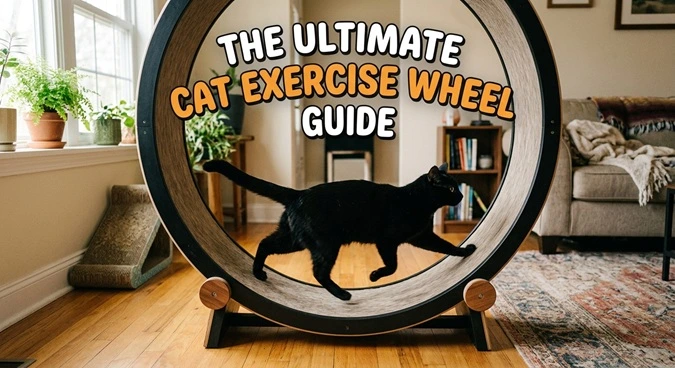




 “The single most important tip…is high communication”

 s with any habit you’d like to instill in your cat, if you can start from when they are a kitten then that is ideal.
 So let’s get started with getting your cat used to your touch. Take one of your cat’s paws between your fingers and give it a very gentle touch, if she is accepting then a light squeeze is ok to proceed with.
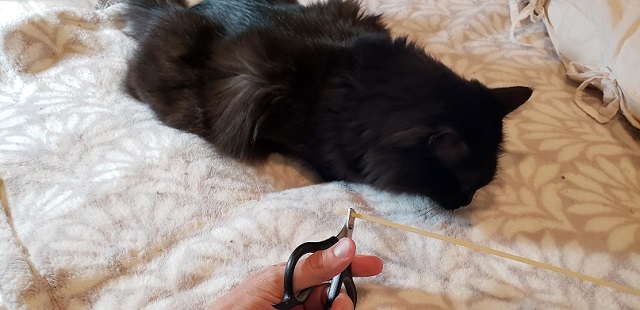
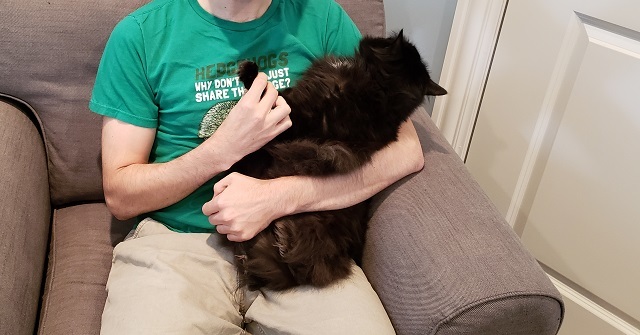
 #2 Use Nail Clippers Designed for Cats & Be Sure They are Sharp

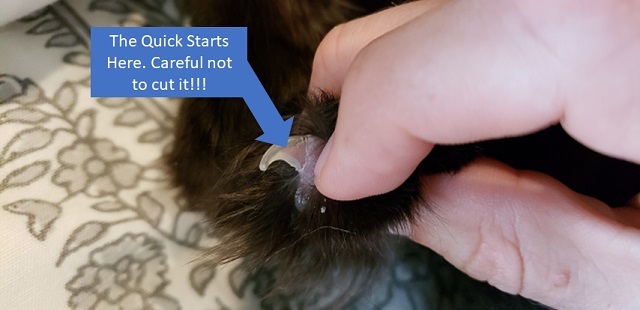
 If you’ve got a smart phone or tablet then you can put it to use to entertain your cat, and not with YouTube videos. There are more than a handful of mobile applications out there made to entertain your feline friend.
 Anyone out there that’s owned a cat knows that they are inherently curious. After all, the good old phrase “Curiosity killed the cat.” had to originate from somewhere right?
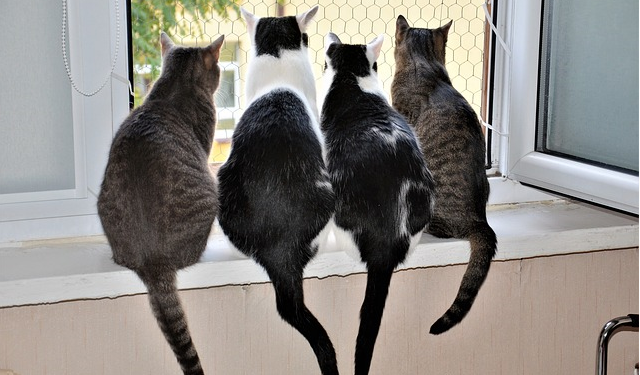
 #8

 Feeding your cat a little bit of catnip can help them relax before bed time. We often hear that catnip will cause your cat to become full of energy and bounce of the walls.
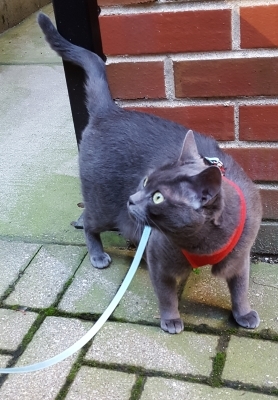
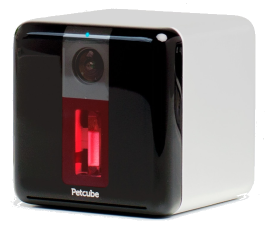
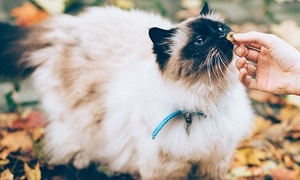
 On top of this there are a variety of methods that you can use to avoid the noise that comes with tags on a cat’s collar. Here are a few of the most prominent methods:


 Are There Any Other Benefits To Collars?
 What If I’ve Tried A Collar And It Failed?


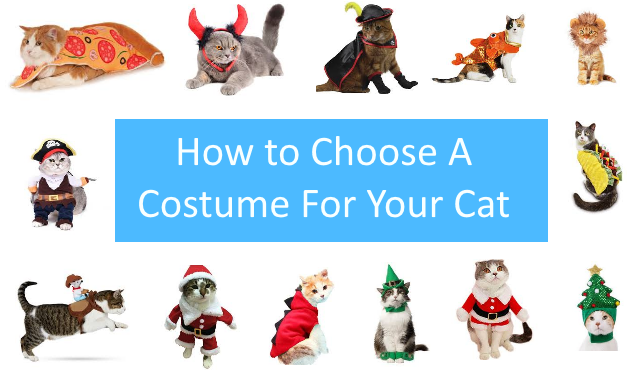
 Tip #1: Understand Your Cat & Their Senses

 Tip #3: Consider How It Is Put On and Taken Off
 A lot of costumes out there are intelligently designed and they don’t have small pieces. On the other hand there are plenty of costumes out there that have frills, hairs, small buckles etc. Anything that can easily pop off the costume can easily be eaten by your cat.
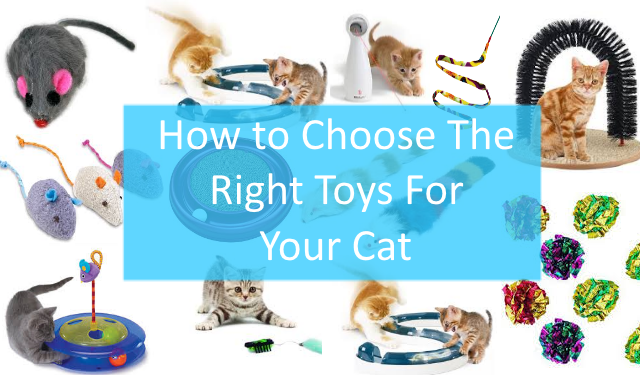


 Mentally Challenging


 Is It Reflective Or Not
 Can You Game the System With Catnip?


 Key Considerations for a Cat Litter Mat
 Litter Box Type: The type of litter box you have will factor greatly into the type of cat litter mat you’ll want to consider. There are all sorts of different litter boxes out there: front entrance, low sided, high sided, completely covered, top entrance, automatic & the list goes on. It is important to think about how the type of litter box you have factors into how litter is getting out and onto your floor.
 Litter Type: While the great portion of people use standard clumping clay litter these days there are a wide variety of other litters on the market: paper, pine, crystals, non clumping & on the list goes. Some folks even have a CatGenie where it is imperative they capture every granule, but they need the ability to drop those granules back into the system!
 Choosing the right litter mat is a key part of combating litter tracking in your house. The market is flooded with all types of mats and in all honesty there’s a lot of overlap between feature and function. For the most part if you choose a top rated mat you’re going to do ok, but the goal is to get the right mat that covers all of your key needs for you and your feline friend!
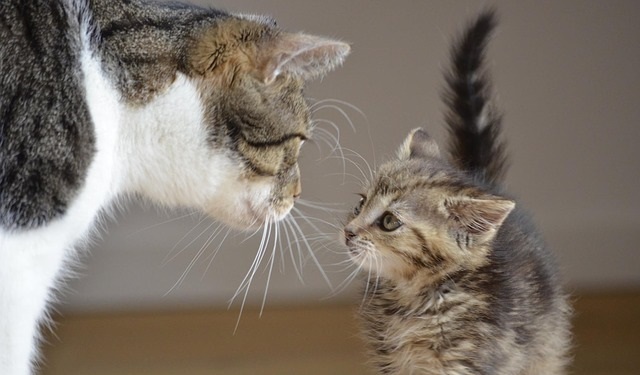
 Many fosters have resident cats themselves (I do!) and will indicate if the cat interacted well or not. This can tell you whether your potential new addition is more likely to get along with other cats than a completely unknown feline. Ask and put this information to use!
 Getting Acquainted
 Once your cats are used to one another while eating and aren’t showing signs of aggression you should start to let them interact. Start to expand the crack in the door while the bowls are near one another and see how the cats handle it. If they sniff one another or just ignore one another and keep eating, great sign. Try opening the door all the way experiment!
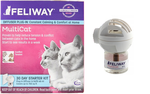 There are of course other ways to help speed things along and skew the odds in your favor. The most common method for helping your cats integrate successfully is to put Feliway to use. Feliway is basically a synthetic pheromone that makes cats feel safe and comfortable even in a completely new environment with other cats.
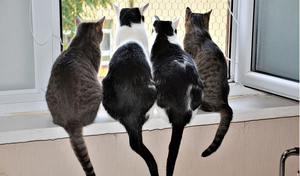 Bringing a new cat into the household can be a very stressful for experience for both your resident cat(s) and the new cat(s). To ensure that you minimize their stress, and the stress on yourself, be sure to slowly introduce the cats to one another over an extended period of time following the above steps.




 Spike Mats: Sounds vicious doesn’t it? It isn’t. I’m not talking about mats with actual dangerous spikes on them. I’m talking about the kind of mats that have relatively pliable plastic prongs on them in very close proximity to one another.


