This week’s cat of the week is Jill. It comes submitted by none other than me. In traditional fashion I’ll gratuitously thank myself for my submission of Jill. Thanks me! Just kidding :).
If you’re much of a follower you know that I foster on a pretty consistent basis from the shelter I volunteer at, PAWS. When I have a cat that I find particularly fun or special I’ll write up a post about her. Jill is one of those cats!
Jill came to PAWS as a recent mother (see her profile here!). She finished taking care of all her kitties and they were adopted out to wonderful families! Jill is now looking for a family of her own.
Jill was having a tough time in the shelter and needed a break in a home. We have had Jill for just about a month now and she’s fully relaxed and ready to get back on the market looking for a forever family.
I wanted to a little personal promotion for Jill, or as we’re now calling her, Jilly Bean, to make sure she gets off to a good home ASAP! So here we go…
Who is Jill?
Jill is a 2 year old black cat with some salt and pepper in her fur. That means she’s got a few white spots here and there as if she was going grey. But she has way too much energy to be going grey already.
Jill is curious. Super curious. You know the phrase curiosity killed the cat? Jill is just a hair shy of being too curious for her own good.
Jill loves to be right in the middle of whatever is going on. She loves following you around the kitchen. She loves sniffing the ingredients going into your food.
You have to be careful when you’re walking through the house because she easily gets right in front of your feet without you seeing and it is easy to accidentally kick her!
What Are Jill’s Favorite Activities?
Jill will need a friend to play with, that is the short of it. Jill loves hassling our resident cats. She loves chasing them, she loves pouncing on them, she loves wrestling with them.
Jill is full of energy and she wants to use it. She plays on her own. She plays with our resident cats. She plays with us. She just likes to be busy.
Any toys you buy for Jill need to be sturdy toys. Jill has yanked my Cat Dancer wand out of my hand numerous times and just carted it around the house as a trophy. She’s quite strong for the lanky little feline that she is!
Jill doesn’t mind being held in the slightest, in fact she seems to relish it for short periods of time (minutes not seconds).
Jill likes hanging with her humans on the couch. Jill does not however like being a lapcat. She’s just too busy to fall asleep in your lap.
What Does Jill Eat & Drink?
You know how people say cats are picky? Jill isn’t picky. Jill will eat any cat food you put in front of her. And she’ll eat all of it. And then she’ll meow for more if she thinks you’re heading toward her bowls.
Jill eats wet food. Jill eats dry food. Jill eats snacks and treats and she gobbles them all up with delight. Jill is only 7-8 pounds so she awes me with the amount of food she eats!
Jill is also one of those wonderful cats that drinks tons of water on her own out of a non moving source. Jill has had some exposure to the water fountain our resident cats use but she hasn’t tried it herself. She prefers a traditional stainless steel bowl.
Does She Have Any Quirks?
Jill is all in all an awesome cat. Her only two behavioral quirks are that she loves counter surfing and if she gets bored she’ll let you know that she’s bored.
Counter surfing was easily resolved with the SSSCat Automated Cat Deterrent (full review of the SSSCat here). We tried all the traditional methods that the pros recommend and had very little luck, but the SSSCat kept her off the counters within a few days.
If you ensure Jill has lots of play time or a buddy to play with (she should definitely be paired with another cat!) you’ll probably rarely encounter any poor behavior. But when she gets extremely bored she will start chewing on headphone wires and may “mouth” you lightly.
She’s never broken skin or destroyed anything and she doesn’t go after cords like electrical cords even when left alone all day. She seems to just want to let you know she wants play time!
How Can I Adopt Jill?
The easiest way to adopt Jill is to first get in touch with PAWS by emailing them at adoptions@pawschicago.org. Until July 4th Jill will be hanging out with me at my place, but you’re still able to come visit her and adopt her if you like!
First and foremost though get yourself in touch with PAWS and they’ll connect you to me once you pass all the initial steps.
More On PAWS
If you’re curious about PAWS as an organization then check out their page that discusses their Mission Statement.
In simple terms though PAWS is trying to build a No Kill Chicago by ensuring that homeless pets go to good homes and by ensuring that animals are spayed and neutered to decrease the overall population of homeless animals.
StuffCatsWant.com is a participant in the Amazon Services LLC Associates Program, an affiliate advertising program designed to provide a means for sites to earn advertising fees by advertising and linking to Amazon.com.
This post was updated in July of 2026 for freshness/recency.
If you've ever debated whether or not you should foster a cat then this article is just for you! Here are 11 wonderful reasons to start fostering a shelter cat today!
Check out the infographic by clicking to expand it or simply read on for the detailed notes!
1. It Saves a Life By Freeing Up Space In Shelters
Most animal shelters operate at full capacity pretty much 100% of the time and they often take the most at risk cats out of animal control facilities first.
Shelters are often waiting for a cat to go to a home just so they can intake another cat from the local Animal Care and Control facility before it gets euthanized.
By taking a cat out of the shelter, even temporarily, you free up space for another cat to come into the shelter system.
These days more and more shelters are becoming no kill which ensures that once the cat comes into the shelter it will be cared for until it is adopted!
So every cat you foster is basically ensuring another cat life saved!
2. You Might Find a Lifelong Friend
You'll commonly hear the term 'Failed Foster' floating around animal shelters. It essentially means you fostered a cat or dog and ended up adopting it.
It is no surprise this happens often. You get to know a cat and you come to love her and voila you've now got another resident cat. That's how we ended up adopting our cat Lexi.
We had her about a month and she was getting along well enough with our resident cat Beastling. Beast wasn't much of a people cat at the time and Lexi loved cuddling up and she loved playing with Beastling!
It was a match made in heaven! Four years later they still play daily and Lexi and Beast are both now cuddly as can be with us!
3. It Gives You Someone To Spoil
If you're ever feeling guilty about spending money on toys and fun stuff for yourself then stop right there!
If you're fostering a cat you can spoil the heck out of it and feel good about it cause you're doing something great for the local animal community!
Kudos to you you good Samaritan! Keep spending and support your local cats!
4. Your Resident Cat Might Want a Pal
Many cats are the sole pet in the household and their pet parents might work long hours or be gone from the house for extended periods.
Cats do of course enjoy their solitary time. But it is also important that they get plenty of exercise and have something to keep them busy if you're gone for extended periods.
Being left alone for long periods can result in your kitty keeping you up all night or in worse behavior like damaging your home or furniture.
Fostering is a great way to identify a potential pal for your resident cat! You get a chance to see how they get along and whether or not they'd be a good fit for one another.
If they are a great fit then it might be the perfect time to adopt a pal!
And if they aren't a great fit you may verify that your resident cat is simply better off as a single cat! Either way you've done a service that was great for the foster kitty!
5. You Get To Meet A Cat Before Adopting
Let's be honest. We all know someone that has fostered a cat and ended up adopting that cat. I'm no stranger to this. That's how we ended up with our cat Lexi!
While calling fostering 'try it before you buy it' sounds unappealing, there is some truth to it. Especially if you already have a resident cat.
We are fortunate enough to have a spare room to foster cats in. We almost always introduce our foster cat(s) to our resident cats after a few days or weeks. It depends on the cat.
But if you're already looking to adopt another cat and you want to see if your cat and the foster are a fit it gives you an extended opportunity to test the waters.
While some cat relationships are complex and may take months or even years to fully develop, a few weeks is certainly a great way to get a general guide.
Some cats are simply better off alone. Some cats want a pal. And some are in the middle. A month or two month long fostering session may be exactly what you need to determine the fit.
And if it doesn't work out the foster session still has tons of benefits for the kitty you've been temporarily watching over! Win win for everyone.
6. You Get To Socialize Awesome Cats
If you love playing with cats then fostering is a great way to get a fix. Cats of almost any age still love to play!
When you're fostering you get constant opportunities to play with any cat toy that comes to mind.
Sometimes I think I've ended up buying more toys for my foster cats than I have for my resident cats.
My resident cats of course always get the hand me downs once the fosters go on to a forever home, so everyone wins!
7. Every Cat is Unique, Experience It All
One thing I can say for sure is that every cat I've ever encountered is unique. Most cats have similar tendencies (they like to be up high, they meow for attention, don't touch their stomach etc.), but they all have special traits too.
Our foster cat Buzz loved to dip is paw in water then lick water off his paw. Jill would only drink water from a tall glass. Summer would only eat if you were petting her while she ate.
Kittens will knock their water fountain over or go swimming in it!
You get to see all sorts of hilarious behavior and hear all sorts of one of a kind meows and trills that each cat has developed to communicate with their humans.
If nothing else it is fun just to experience all the new things each cat brings to the table!
8. Finding the Right Furrever Home is Easier
Learning about each cat makes it far easier to help determine what type of home will be ideal for it to live in long term.
If you've got a dog and it is obvious the cat doesn't like dogs then that information can be captured and used to filter out families looking for a cat that already have a dog.
The same be true of young children, certain genders, loud noises, etc. Cats are unique and each has their own personality and quirks. Identifying as many of these as possible during a foster session ensures that the shelter can align the right home the first time.
Finding the right home the first time is extremely important. Given that cats don't tend to like being moved around to new environments it can be devastating when they spend an extended period of time in a home and then get returned to the shelter because it wasn't the right fit.
9. Cats With Foster Reports Are Easier to Get Adopted
A foster report is basically something the foster parent writes up on the kitty after staying in the home for a few weeks or months. It details all their quirks, their fun habits, anything to look out for, etc.
I volunteer at Chicago PAWS on a recurring basis. Cats, especially adult cats, with a foster report are a heck of a lot easier to get adopted.
This is because a lot of shelters operate heavily on volunteer hours and most volunteers aren't available on a daily basis.
This means that when volunteers are trying to match cats to adopters it can be hard to know which cat to focus show!
A foster report makes it that much easier for the volunteers to learn about the cat and point the right family to that cat when they come in!
10. There Isn't a Long Term Commitment, But There Could Be...
Pets are a lot of work. Dogs, cats, birds, hamsters, snakes. All of them. Some people want to have pets, but don't have the stamina or the desire to keep an animal their entire life.
Fostering is an excellent way to give a pet a break for several weeks or even months but not have a lifelong commitment.
The longest we've fostered is 2 months and it was an excellent break for the cat from the shelter. So much so that our foster Buzz went back to the shelter and was adopted within a couple of days.
Fostering is the perfect fit for people who want a pet fix but who still want the flexibility of going on long vacations, working long hours, or staying out late at night without concern.
Or even if you simply don't want the permanent responsibility of a pet but still want to help your local animal community!
11. You Get to Constantly Learn
If you're a life long learner and you're always curious then a foster cat can be a great doorway into learning.
Since cats have tons of weird behaviors (at least they are weird to us humans) then you get to research all sorts of fun stuff each time you see a new one!
Why is my cat pawing at the ground around her bowl?
Why do cats love being scratched on the chin, but don't want you to touch their stomach?
How do I transition a cat from one litter type to another?
The possibilities are endless and the fun is limitless!
Bonus Reason: Cat Parades!
If you haven't seen it yet, multiple cities are starting to host their own cat parades. This is when people show their cats in their windows while tons of folks walk past and check them out! Imagine being the center of attention for hours while strangers admire your cat through your front windows! You can find more details here about the biggest one I've seen, the Wedge Live Cat Tour in Minneapolis.
Other Things To Consider
While I absolutely love fostering cats and highly recommend it to others there are of course other things you should consider before diving right in.
You can check out this article from PetMD about determining whether or not you're read to foster cats. PetFinder.com also has an excellent set of resources to help you foster effectively and ensure you're ready for what comes with it.
I'm quite familiar with several of the available places to foster cats in Chicago (Chicago PAWS, Treehouse, The Anti Cruelty Society and many more...), but you can find foster opportunities anywhere by simply googling 'foster cats [ZIP]' and inserting your zip code.
If you've got your own story to tell about fostering a cat please to share it below in the comments!
We always love to hear positive stories about cats ending in a 'failed foster' or finding their forever home after a wonderful foster session!
Thanks for reading and please share this article and infographic with your friends and families!
Buzz has been adopted and is living the dream in his new home! Thank you to everyone who shared his information and my post across social media! I really appreciate it and so does Buzz!! 🙂
Original Article Posted on June 13th, 2017
While I of course do my best to help you take care of your own cats I also volunteer to foster cats on a rather consistent basis in Chicago. Right now I’m fostering a wonderful domestic short hair named Buzz. Buzz is a gorgeous cow cat with a bit of a salt and pepper look going on. Buzz has been in and out of the shelter multiple times to foster homes. Buzz absolutely loves foster homes. But our foster program is dedicated to getting the cats ready for a stint in the shelter, very few cats are adopted straight out of homes. Buzz runs into problems because whenever he heads back to the shelter he reverts into a very scared guy that hides in his room or in the corner of his condo. This means that he doesn’t ‘show well’ and not showing well means it is incredibly hard to get Buzz, or as I am affectionately referring to him. Mr. Buzz, adopted.
Given this I’m writing up this short, but detailed article to help Buzz find a home. I don’t want to send this guy back to the shelter again. Buzz is by far the chilliest and coolest cat I have ever fostered. This is not to say I haven’t thoroughly enjoyed fostering other cats, it is simply to say that Buzz is a wonderful feline. My wife and I long ago decided that two cats was the cap for permanent residency, there’s only so much room on the bed. That being said, I do have Buzz here for about another 2 weeks. After these two weeks are up my wife and I go out of town on an extended trip and Buzz will unfortunately go back to the shelter. Given this I’m doing my best to find this gorgeous boy a home before he heads back to the shelter.
All About Buzz!
So let me tell you about Buzz. Buzz is about 3 years old and he’s about 13 pounds, he’s not a small cat. That being said, he certainly doesn’t get in the way as much as my tiny little 8 pound cat. Buzz in general loves to get nearby and then chill out, he doesn’t tend to walk on top of your laptop or your keyboard to get attention. He’s a happy dude so long as he’s nearby a human.
The Awesome Stuff About Buzz:
Buzz loves to follow his humans around. So long as people are around he would love to walking near you or sleeping near you.
Buzz drinks water in the coolest way I’ve ever seen a cat drink water. Buzz refuses to lower himself to the level of a commoner and drink right from the bowl. Buzz instead drinks water out of his bowl by dipping his paw into it then licking the water off his paw. This is far more refined for Mr. Buzz. It shows true class.
Buzz is super relaxed around our resident cats, he’s gotten along swimmingly with our two cats in less than a week. He’s never even hissed at either of them even though he’s much much bigger. He mostly just recognizes they are there and moves on.
Buzz LOVES tummy rubs. He does the ‘I’m gonna walk up to you and purposely collapse onto my side.’ move as if he’s been doing it his whole life.
Buzz can take pets and scratches for hours at a time. He sits between my wife and I while we sit on the couch and watch TV or a movie.
Buzz has never once pulled out his claws or attempted to bite us, even with lots of tummy scratches and a few loud noises startling him.
Buzz hasn’t had a single litter box issue in all his time with us.
Buzz has zero issue chilling all day on his own inside his hidey holes or mini forts he crates. He loves to sleep!
Once Buzz scratched our scratching post for the first time he hasn’t scratched anything else in the house since.
The Other Stuff:
Buzz gets scared easily by loud noises and runs and hides in his ‘safe room’. Again, he’s never once bitten or scratched, even when he got scared while I was holding him.
Buzz only tolerates being held, he’s not a huge fan.
Buzz has an overly active affection for string/strings. He will bite them in half and he willeat the string. You’ll need to keep an eye on this to ensure he can’t eat them.
In the past Buzz has taken some time to adjust to new people and places. It took him only about 24 hours to be fully ready to explore our house and hang out right next to my wife and I! He’s growing more human loving with each foster! 🙂
Buzz likes to climb to high places just like all cats. Double sided tape is starting to have an impact, but he still loves to go counter surfing as of right now.
Let’s Get a Look At Him!
I’ve posted a number of pictures of Buzz as well as this short video showing Buzz in action getting tummy rubs and drinking some water in his own unique way:
A Collage of Buzz Pictures!
- Swipe left/right to see more
Sharing The Love & Adopting Buzz
So this is a humble request, from one cat person to another, to please go ahead and share this post with your friends in the Chicago area. If you have friends who like cats or who might be interested in adopting a cat they should definitely consider Mr. Buzz. He’s a champion of a cat, he’s super low maintenance, and he’s the chilliest feline I’ve encountered in a long long time!
Note that if you’re interested in adopting Buzz or if you have any questions about him please contact me @ Craig@StuffCatsWant.com.
Please keep in mind Buzz is not my cat. He will need to be adopted through Chicago PAWS. Here is his profile on the PAWS Website. I can easily tell you how to go about this though if you’re interested!
I assume you’ve landed here because you’re in the process of adopting a cat and you’ve never had a cat before. That or you just want to see if I have any idea what I’m talking about as a cat owner. So let’s get down to brass tacks, what products do you need in your cat adoption kit? In other words, what does it take to take care of a cat when you first bring it home? While a few of these things will depend on the age of the cat there are a couple of basic supplies that will be required no matter what. I’ve first provided an overview in each section and a link to a comprehensive list of my favorite products after years of ownership and fostering cats from our local rescue.
The Basics:
Litter Box – Litter boxes range in size & shape and also in autonomous versus ones you manually clean. The prices also range accordingly. They key recommendation I’d make up front is to get a litter box with a closed top, but one that opens up from the front where the top actually lifts up as well. There is one major reasons to get a litter box with a top, it stops your cat(s) from scattering litter all over when they are finished doing their business and decide to kick litter all over the place. Beyond this, from an aesthetic point of view it does just look a bit nicer, especially if your cat decides not to cover things up. The top lifting box isn’t a necessity, but it does make it way easier to scoop than one that has only the little front door/flap.
Cat Litter – Cat litter varies extensively as well. There are so many kinds available that it will make your head spin. They all claim different benefits and some of those benefits are easy to recognize and others are not. I personally use standard clay clumping litter for my cats. You should always ask the organization you are adopting from if the cat has been using any special type of litter to ensure you can match it at home, at least at first. Most shelters and rescues use standard clay clumping litter because it is one of the cheapest types available. I’ll later post a comparison between different cat litters.
Litter Genie – While this isn’t an absolute necessity, I would never want to go back to not having a Litter Genie. If you’ve ever had a baby before and had a Diaper Genie, this is the same thing for cat litter. This will enable you to not have to scoop your litter box and run out to the trash outside every day or tie off the litter in a plastic bag each day. I can use mine at home easily for 6-7 days before emptying it out and I have two cats using the same litter box daily.
Litter Scoop – Note the Litter Genie comes with a scoop so you wouldn’t need another one if you get a Litter Genie. That being said, if you decide to pass on the Litter Genie you’ll need to select a scoop. These vary extensively, but I’d recommend a firm/stiff plastic scoop because otherwise it is likely to break easily over time.
Cat Food – Cat food is a tough one because you can read an endless number of articles arguing about whether or not you should feed your cat wet food or dry food. Cats in general live on a diet that is primarily protein based. Wet food is generally speaking heavy in protein where as the lower cost dry foods are often carbohydrate heavy. Many other factors go into food selection, one in particular is long term health/hygiene for your cat, and their dental health in particular. Both wet and dry food will cause plaque to build up on your cats teeth, but there are certain types of dry food that are focused on helping remove some of that plaque by forcing the cat to chew on the pieces. Few if any have been proven to work really well because cats often simply swallow dry food without chewing, but I’ve had some luck with my cats chewing the larger pieces in specific brands.
Bowls – I’ve personally found that stainless steel bowls are by far the easiest to clean and maintain over the long haul. They don’t dent easily, they don’t break if you drop them or if your cats flip them over etc. They are also dirt cheap for the most part.
Cat Carrier – A carrier is an absolute necessity for a cat of any size. You’ll use it to transport your cat most everywhere outside your own home. If you decide to adopt a kitten you should definitely ask how big he or she can be expected to grow before you buy a carrier. You’ll want a carrier that will easily fit your cat once it grows up into its full size. Note there are both hard and soft carriers, the choice is really yours, but soft carriers are a little easier from a storage standpoint since many of them breakdown.
Scratching Equipment & Nail Clippers – You need something for your cat to scratch their claws on. This is a natural part of cat life and they do it on a daily basis. You’ll want them to use a scratching post so they don’t use other things like your furniture or your rugs to do it. I’ve found that taller vertical scratching posts tend to be the most effective for the cats I own and the numerous cats I’ve fostered, but not every cat loves vertical posts. If you do choose a vertical scratching post I’d highly recommend you choose one that is tall enough so your cat can use it fully stretched out. If you can afford to get a few different options up front you might consider something that sits on the floor and something that stands up to see what your cat likes. You may also want to read through my post on How to Stop a Cat Scratching Furniture before you get your new feline friend home.
Brush – A hair brush is an essential for any cat owner. While cats certainly groom themselves, a good brush will help both you and your cat. It will help you by ensuring there’s less cat hair floating around your house and also decrease the chances your cat will cough up a hairball (that you listen to and then get to clean up). It will help your cat by ensuring their coat stays beautiful and sleek and doesn’t get matted.
Additional things to consider:
Cat Furniture – Cat furniture comes in all shapes and sizes and will range anywhere from a few dollars to over a few thousand dollars. If you keep your eyes out you can often find great deals on cat castles or cat play houses on sale cheap. If you want a specific place for your cat to relax and climb I would recommend you consider some cat furniture, but it isn’t a necessity by any means.
Cat Beds & Caves – Cats are great at finding soft spots to lay down and sleep. While a bed is certainly a good way to try to keep your cats sleeping in a controlled zone, there is no easy way to convince them to always sleep there. More often than not I find that my cats sleep wherever they want and that is often not in their beds.
Cat Toys – There are so many cat toys out there I could never cover the details here. You can go down the road of fully automated and remote control toys, or get something simple like stuffed mice or a classic wand toy. I’ve found the most luck with a laser pointer and a wand toy, or even a piece of string. Note with wands and string you should never leave them out while you aren’t home. Cats can and will swallow them and cat get very sick or even die from doing so.
But which specific products work well?
Above I’ve provided a general outline on the types of things you’ll need for your cat, but I didn’t provide any particular recommendations. This is because what has worked well for me and for my cats might not work especially well for you. Every cat is different and some of them may enjoy things that others don’t want anything to do with. A key example is that my cats have zero interest in empty boxes. Despite popular belief and a slew of YouTube videos showing otherwise, some cats simply aren’t going to play in boxes. If you are interested in my specific list of recommended products, I’ve provided a separate post that details all of the products that have all performed well for me as well as a couple options from a price perspective. Please feel free to check it out here: What Do I Need to Adopt A Cat – Product Breakdown.
One last thing in closing…
While it isn’t anything you can buy, the last thing you’ll need with adopting any cat, young or old, stray or owner relinquished, lap cat or not…You’ll need patience. Be prepared to have patience if your new friend hides under the bed for the first week or two. Be prepared for them to not be interested in the toys you have purchased for the first few days. Cats take time to adjust to new surroundings, be sure to provide them plenty of it!
StuffCatsWant.com is a participant in the Amazon Services LLC Associates Program, an affiliate advertising program designed to provide a means for sites to earn advertising fees by advertising and linking to Amazon.com.
If you’re currently considering adopting a cat versus purchasing a cat then I would urge you to research adoption in much more detail and head down that road. There are a wide variety of resources that will detail all of the benefits of adopting instead of purchasing, but below is a short summary that can highlight some of the most important reasons to adopt instead of purchase.
Cat Selection & Post Adoption Support:
Pre adoption support & guidance: Cat shelters and rescues end up taking care of cats for at minimum a few days before the cat is considered for adoption. The people that interacted with the cat gain valuable information about the personality and demeanor of the cat which can be be extremely useful for potential adopters. If you’re looking for a lazy, low energy lap cat versus a high energy play all the time type of cat then the folks at the adoption center or foster home can definitely help you select the right cat.
Post adoption support & guidance: Shelters and rescues are in place for the welfare of the animals, the last thing a rescue wants you to do is adopt the cat and then return it a few weeks later because it isn’t behaving as expected. To ensure you have a positive experience the bulk of people working in shelters and rescues go out of their way to provide you with all of the knowledge you need to take care of your cat properly and have fun doing it. This includes adoption guides, introduction guides, phone check ins, email check ins and the list goes on.
You can adopt an adult cat: While a lot can be said about how darn cute kittens are, if you’ve ever raised one yourself you’d probably think differently about wanting to adopt one. When kittens are just over 8 weeks they can be adopted out to a family safely, but that doesn’t mean they are fully independent by any stretch of the word. Kittens require constant attention and without appropriate training and socialization from you and your family they can develop troublesome habits like biting and scratching. Adult cats, typically somewhere between 12-18 months or older, already have a much more established personality and have already passed through these phases.
Emergency support: If you ever encounter a situation where you are no longer able to take care of your cat anymore, the bulk of rescues ask that you do your best to return the cat to that specific rescue. This means that if you end up sick or end up moving out of the country short notice and can no longer care for your feline you can return it to the rescue you adopted from and know that it will end up in good hands.
Animal Welfare
Animal care: The Humane Society of the United States estimates that some 90%* of pets available in pet stores are sourced from puppy and kitten mills. Mills are basically factory farms responsible for the mass production of young animals. These mills typically provide horrendous conditions for both the adult and young animals in them. The animals are almost never cared for properly and are often kept in spaces so small they hardly have room to stand up and walk around. This results in poor health all around and can be the key reason an animal you adopt from a pet store or a disreputable breeder can have health problems in every way shape and form.
Saving the life of a cat: When you adopt from a cat rescue organization you save the life of a cat. While the cat you adopt is already in the organization and thus safe to some extent, you’ve provided it a great new home that will make it much happier! On top of this you’ve also opened up a space for that organization to take on another cat from the local pound where it might otherwise be euthanized due to a variety of factors.
Value
Personal pride: You can be proud of the fact that you are helping an animal in need that might otherwise have ended up living on the street. You can also know that instead of contributing to supporting puppy or kitten mills or a disreputable breeder that might raise animals in horrible & unhealthy conditions, you instead took the high road and helped make the world a better place.
The cost of adoption lower: Adopting a pet from a rescue or shelter is generally significantly cheaper than acquiring one through a breeder. Adoptions from most organizations will range from somewhere between $25 and $150. These costs are also often driven by age, so if you are willing to adopt an older animal from the organization you’ll often see the price on the lower end of the spectrum. Note most organizations are even taking a loss on each cat they adopt out, sometimes in the hundreds or thousands of dollars. If you can spare a few extra dollars as a donation please do donate to your local group.
Peace of Mind
A MicroChip ID: While anyone can install a MicroChip on a pet (and I strongly recommend you do), some shelters and rescues include a free microchip & registration for lifelong notification of a lost cat. A common MicroChip included in shelter pets is from Avid. Avid provides a registration database for you to enter your pet’s MicroChip ID & your contact information so that if your cat ever escapesare ever lost you will be contacted by any agency that locates your cat. If your shelter does not include it I’d highly recommend you visit Avid or a similar company to get your pet Microchipped ASAP.
Medical care & pet documentation: Cats adopted from shelters and rescues will always include the full historic information of the pet and shelters will not let someone adopt a cat without fully disclosing any medical or behavioral concerns. This documentation will include the veterinarian’s intake report that documents the health of the animal upon entry into the system all the way through to every medical procedure performed and every drug administered. This ensures you know what your cat went through before it ends up in your home and also ensures you have a clear picture of any potential medical conditions you may be taking on as a new cat owner. On top of this, because cats in these organizations are often housed together the organization will ensure the cat is up to date on all relevant vaccines that will keep it safe and help it live a long life.
If you have any additional reasons you think should be added to this page please email me at Craig@StuffCatsWant.com and I’ll get your recommendation added!
So you’re on the road to adopting a cat huh? While I applaud you for already being an incredibly good looking, smart and talented individual, I’d also highly recommend you consider the following before you move forward with adopting a furry little friend!
1. Age:
Sorry, this one is long cause it is important. The age of a cat is a key driver in the behavior of most cats. Not surprising since this is true across pretty much any animal you’ve ever encountered. If you’ve never had a cat before you should definitely consider adopting an adult cat for your first experience. An adult means anything over the typical one year mark. Some folks still consider cats up to 18 months old kittens because their behavior and their personality can still change significantly over those last 6 months. Here’s a quick rundown of things to keep in mind:
Kittens:
The bulk of people that come into the shelter I volunteer at want kittens, but many have never had a cat. Kittens are incredibly time consuming and require a lot of attention. You really shouldn’t leave a kitten home alone for more than a couple hours at a time, definitely not a full 8 hour workday. Given this, if you’re set on a kitten and you don’t work from home or have someone home all day you should consider adopting a pair of kittens or another younger adult cat. Not only will they keep each other busy, but this benefits you as an owner. Cats let each other know when they’ve played too hard or ‘crossed the line’ so to speak. Kittens understand and apply this same learning to humans and are less likely to play as rough with people if they have a companion to learn from.
Kittens are curious. They are far more likely than adult cats to eat things they shouldn’t, claw at things they shouldn’t, and in general get themselves into all sorts of trouble an adult or senior cat would avoid.
The way a kitten acts at 8 weeks is no guarantee he or she will act the same way at a year or two years. Cats have a personality that fluctuates quite easily until they reach adulthood. Once they are adults their personality will be a lot more consistent.
They are incredibly fragile! If you have young children or a large dog that has never been exposed to cats or kittens before then you should be very careful with adopting a kitten. Not that either the children or the dog are intending to hurt the kitten, but either one could easily accidentally injure a kitten unknowingly.
You should expect kittens to have litter box accidents one in a while. They will pee or poop outside the litter box from time to time. This is just part of growing up for them.
Adult cats:
Adult cats are awesome and there are tons of them that would love to come home with you. Most of them have already gone through all their shots, all their checkups and all that good stuff. You can adopt them knowing full well what you are getting!
Adult are already pretty set in their ways. If you meet an adult cat while looking for one to adopt and he or she hops right in your lap…You can pretty much expect that behavior on an ongoing basis.
Adult cats, while still fragile (they are cats after all), are far more resilient than a tiny little kitten. Younger children and dogs tend to be less of a potential threat to an adult cat.
You get to skip all the hassle of the kitten stage and an adult can can be on its own for longer periods of time with far less impact.
Senior:
Senior cats are probably somewhere in the area of 8 years or older. That’s a rather arbitrary age, but given experience this is where I often see cats start to become a bit less energetic than their younger compatriots. Senior cats love to eat, snooze and some of them love to snuggle.
One key thing to keep in mind with senior cats is that they, just like any other creature, can start encountering medical conditions as they get older. This can require medication, cat care, extra time, etc. Be sure to talk to the rescue you are working with to get a clear understanding of the medical status of any cat you’re considering adopting, but with seniors do be extra diligent!
2. Cat Care & Patience:
While cats are indeed far less dependent on humans than dogs are, you still need to provide a few basics for your cat on a daily basis. They’ll require at minimum food, water and a litter box (and you’ll want to clean it daily). While there are lots of automated options that can assist you in the case that you work long hours or need to go on a short business trip, you need to set aside time to to spend with your cat. Most cats do crave your attention, albeit on their own terms. They want to play, snuggle, cuddle and act like a a little hunter pouncing on toys or laser pointers. Be sure you will able to provide this to them on a constant basis!
3. Lifespan:
Cat lifespans continue to get longer as our understanding of their health continues to get better. These days you can expect a cat to live an average of 15 years if not up to 20+ years. If you’re interested in keeping your cat for such a long time you might consider a different pet option. Rehoming cats, especially as they get older, can be detrimental to their health and happiness.
4. Indoor vs Outdoor:
Cats are indeed hunters by nature, but that doesn’t mean that they’ve acclimated to the fast paced changes that have taken place in the world in the past 100 years. While it may seem cruel in some ways to keep a cat indoors, it is by far the safest place for the cat. Cats have many predators outside, the worst of which is humans. Beyond this there are all sorts of other concerns in letting your cat go outside from fleas & ticks to getting in fights with another cat or dog. I won’t tell you never let your cat outside , but if you really want to let your cat outside I’d personally recommend harness and leash training your cat so they are outside in a controlled environment that is safe for them.
5. Cats have claws:
Do not declaw your cat. While common 20 years ago research shows that it is horribly painful for the cat and it is the equivalent of cutting off the last digit of each of your fingers as a human. Cats can be trained to use scratching posts, but it may take time and effort to train them to do so. You need to be sure you have the patience to train your cat to make this transition in your home. On top of this do note you’ll have to trim your cats claws every two weeks because they manage to turn them into razor blades quite quickly! If you have really nice furniture and don’t want to even think about them scratching it then look for a cat that is already declawed. Many of them do flow through rescues on a constant basis and they still need homes. Do note that cats that are declawed are more likely to bite/nip because they quickly realize their paws are no longer a useful defense system.
6. Spaying/Neutering:
There’s no reason not to do this. There are so many cats in shelters worldwide that the last thing the world needs is your cat getting pregnant or causing another one to get pregnant. Please Spay or Neuter your cat if it hasn’t already been done. The ASPCA provides great guidance on local spay/neuter programs that can do this at a very low cost.
7. Cats are nocturnal:
While cats are normally nocturnal creatures you certainly can get them onto your own schedule so they don’t keep you up all night playing or just wandering about. One of the most important things is to keep a consistent schedule, feed them at the same time every day and go to bed at the same time every day. This can require some patience the first few days/weeks, the last thing you want to do is cave in and get up and give attention to your cat if he or she is acting up late at night. This just enforces their understanding that being a pain late at night gets them attention!
8. Adopted cats are not free:
This page on PetFinder.com provides a great breakdown of the average cost of a cat year over year. You should definitely take this into consideration. While some of these numbers are on the high side in my experience, you should definitely expect to spend money on the normal day to day stuff like food and water, but you must also take your cat to the vet each year for a checkup at the least. Key things that I notice here as odd are buying new bowls and toys every year. Go stainless with the bowls and you’ll be good for life .
9. Allergies:
This is simple, but be sure nobody in the home is allergic to cats before you adopt one. Note that cat allergies are more often driven by pet dander than they are driven by pet hair. There are certain types of cats that are more hypo allergenic than others, but generally none are fool proof in this regard.
Do not in any circumstances adopt a cat as a surprise for someone that has never had one because if they are allergic and the cat needs to be returned it can be rather traumatic for the cat. Cats don’t like travel/transport in general and take time to adjust to new people/places. Moving them from a shelter to a new home and back quickly is no fun for anyone and it can make it much harder for them to get adopted again.
10. Your apartment/home:
There are a few parts here worth covering:
Be sure your home is ready for a cat. Just like in Field of Dreams, the ‘If you build it they will come.’ rings true for cats. Cats basically consider any place they can get to as their territory. Be ready for cats to aim to climb all over everything and anything in your home. Most cats don’t purposely knock things over, but if you have anything particularly fragile or important it may pay to pull it off the shelves for the first few weeks to see how your cat explores.
If you rent your home don’t try to adopt a cat in place that doesn’t allow it. Be sure to get approval before you go out to adopt a cat. If your landlord discovers it and threatens to boot you for doing this you’re likely going to have to return the cat. Just like the above, not fun for anyone involved and can be very tough on the cat emotionally.
Other Considerations:
There are a boatload of additional factors you can consider when adopting a cat, but these are by far some of the most important. A few others that I won’t mention in any length, but you still may want to keep in mind are:
Do you have children in the home?
Do you have a baby in the home?
Do you have other pets in the home?
Is your home noisy or quiet?
Do you have a “safe spot” for my cat?
What plants are in the house?
How much disposable income can you spend on a pet?
Do you want to get pet insurance in case of emergency?
If the cat doesn’t turn out to be a lap cat will you be disappointed?
Is everyone in the home/apartment ok with getting a cat?
If you think there are any other key considerations I should include on this page please email me at Craig@StuffCatsWant.com to let me know or leave a comment below to call out something you find important!
When I was young I always used to be excited to go to the pet store and see the puppies, if you recall from the About page I grew up with dogs. It was such an exciting experience because they were so fluffy and full of energy. They would run on full for about 30 minutes or so until it seemed like they got so tired they just collapsed where they stood and fell asleep. What adorable little fur balls they were! I had always just made the assumption that’s where we got our pets and that was the place everyone got their pets. Clearly I wasn’t the sharpest pencil in the box :). I came to find out much later that my parents never got any of our dogs through a pet store and never really considered it, instead they liked the idea of adopting animals whenever possible. As I got older I learned a there are a lot of different ways to go about getting a family pet, but if you’re here I’m assuming you’re interested in or at least considering adopting a pet.
Adopting Has Tremendous Benefits
I’m truly glad to see you’re considering adoption in place of a pet store or a breeder. Even though adoption has gained a significant amount of attention in the recent past both in the news and by word of mouth, a lot of people still get their pets through pet stores and breeders. While there are of course great pet stores and great breeders (I’ll have a follow up post specifically on good breeders) that act responsibly, there are also a large number that don’t have the best interest of the pets or of the families buying those pets in mind. Getting a pet from these disreputable types of breeders can result in an incredibly poor experience for both you, your family and the animal you decide to adopt, not to mention the poor animals behind the scenes that are the parents of all of these puppies and kittens. I want you to have the best experience possible with adopting, so I’ve organized some resources below for you to help in your search.
Great Places to Consider for Adopting Cats:
Overstock.com – As ridiculous as it sounds, Overstock.com is actually a great place to search for a cat up for adoption. You might think at first they are selling cats over the internet, but they actually provide infrastructure & visibility to many smaller organizations enabling people to find cats easily. No joke, this is where I found my first cat and adopted her a week later (check out the About Site page to see Beast). One additional benefit, with Overstock you can also take a look for all sorts of other produts you might need for your future cat!
RescueMe.org – Another excellent resource for locating cats that are up for adoption is RescueMe.org. The link provided will take you directly to a map of the United States that enables you to look for specific cats on a state by state basis. You can back up and look for specific breeds or even different animals if you’re considering a dog or even a rat!
PetFinder.com – PetFinder.com is a great source of information for adopting animals in general. It not only enables you to look for cats within a specific geographic region, but it also includes the ability to search by additional filters like breed, age and gender. This lets you hone your search to look for the perfect cat to fit your home.
International Rescue – If you don’t happen to be in the United States and still happened upon my site I don’t want to leave you high and dry. While I have no experience with with any organizations outside of the USA this website provides a large list of cat rescues available by country across the world. Hopefully it can be helpful to you in your search!
Craigslist.org – While I love Craigslist, my name is Craig after all, I personally don’t recommend you use Craigslist for adopting a cat. There are simply too many potential concerns to account for where and Craigslist doesn’t provide any level or coverage or security when you meet with someone. If you do decide to pursue a cat adoption through Craigslist make sure you are aware that you are adopting a pet you really have no knowledge about beyond what a complete stranger tells you. You could easily adopt an animal that is very sick or in need of thousands of dollars in care without any knowledge. If you do proceed though, be sure to meet somewhere in public and obviously use cash as the payment method to avoid any potential scams.
Where Else Can I Adopt if None of These Work?
Beyond these major locations I listed above, there are hundreds if not thousands of community organizations that are managed by small local groups. These organizations are made up of tons of people that care deeply about cats just like the larger organizations do. They provide their time, money and homes to take care of cats until they can be adopted out into a new family. You can easily locate these organizations by with a simple Google search, for example “Cat Adoption Organization Chicago Illinois.” No matter which organization you ultimately decide to adopt from, do be sure the read their policies and requirements. Most organizations will require updates on how the cat is doing and some might even require a home visit before allowing you to adopt a cat. These
Helping You Adopt Your Cat…
The rest of the Adoption section is dedicated to helping you select the right cat and to ensure you are fully prepared for bringing a cat home for the first time. If you’re an experienced cat owner, you might know a lot of this information already, but hopefully I’ll provide you with a few nuggets of wisdom you didn’t possess before. You’ll find a couple of key topics covered:
A Cat Adoption Kit (all the supplies you’ll need to adopt your first cat)
If you have any recommendations on additional information that should be included in the adoption section of this site please don’t hesitate to email me directly with your thoughts or leave a comment below. You can reach me at Craig@StuffCatsWant.com.



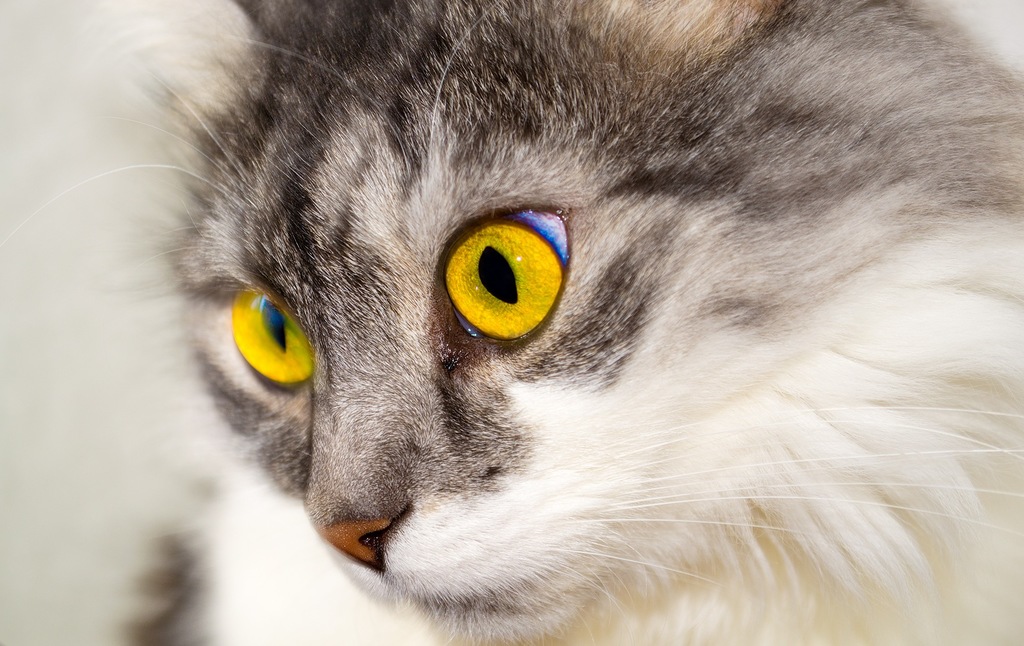
 I assume you’ve landed here because you’re in the process of adopting a cat and you’ve never had a cat before. That or you just want to see if I have any idea what I’m talking about as a cat owner. So let’s get down to brass tacks, what products do you need in your cat adoption kit? In other words, what does it take to take care of a cat when you first bring it home? While a few of these things will depend on the age of the cat there are a couple of basic supplies that will be required no matter what. I’ve first provided an overview in each section and a link to a comprehensive list of my favorite products after years of ownership and fostering cats from our local rescue.
 Above I’ve provided a general outline on the types of things you’ll need for your cat, but I didn’t provide any particular recommendations. This is because what has worked well for me and for my cats might not work especially well for you. Every cat is different and some of them may enjoy things that others don’t want anything to do with. A key example is that my cats have zero interest in empty boxes. Despite popular belief and a slew of YouTube videos showing otherwise, some cats simply aren’t going to play in boxes. If you are interested in my specific list of recommended products, I’ve provided a separate post that details all of the products that have all performed well for me as well as a couple options from a price perspective. Please feel free to check it out here:


